
By Patrick Ochei
A group of concerned indigenes of Onicha-Olona Kingdom in Aniocha North Local Government Area of Delta State has renewed calls for the restoration of the kingdom’s hereditary monarchy, popularly known as the Obi Ada, to what it described as its original custodians, the Ugbeh Royal Family.
The group said the traditional leadership dispute in the kingdom has reached a critical stage, making it imperative for stakeholders to return to the historical foundations of the monarchy in the interest of peace, justice and unity.
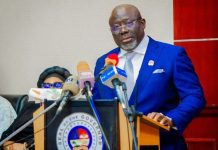
Speaking on behalf of the group at a press conference in Asaba, Mr. Cyril Eziomume Nwaodi, popularly known as Kandysea as musical stage name, maintained that the Obi Ada institution has, from time immemorial, been hereditary and traditionally vested in the Ugbeh Royal Family of the Idumu-Ugbe or Ogbe-Obi in Onicha-Olona.
He argued that restoring the kingship to the family would preserve the kingdom’s customs and traditions while bringing lasting stability to Onicha-Olona.
According to the group, respect for established customs and the historical succession process remains essential to safeguarding the cultural heritage of the kingdom.
They urged government authorities, traditional institutions and other stakeholders to support what they described as the restoration of the rightful hereditary order.
The group also appealed to sons and daughters of Onicha-Olona to embrace peace and dialogue, stressing that the unity and development of the community should take precedence over prolonged disputes.
The renewed call comes amid the lingering traditional leadership controversy in the kingdom, with stakeholders expressing differing views on the succession process.
Observers believe that a peaceful resolution would further strengthen harmony and foster development within the community.
Historically, our medium reliably gathered that the first king of Onicha-Olona, Oba Ugbeh reigned from year 1550. He was succeeded by one of his sons, Ofoko, and Ofoko was succeeded by Zomuna, who was succeeded by Mogbei and then Mogbei was succeeded by Diei.
Diei was succeeded by Ozo-Omone (his cousin) and Ozo-Omone was succeeded by Okpoko who was also a bloodline of Oba Ugbeh.
However, the problem bedevilling the community started after the death of Okpoko, and when Chika Diei was about to succeed in the direct line of his father Diei, his powers were allegedly usurped by Osakwe Ofili through the help of the British Government as at that time.
It was gathered that the British had destroyed the palace in the year 1901 after the throne was usurped in 1900, and rather than allowing hereditary order to continue, they allegedly crowned Osakwe Ofili and made Chika Diei to pay obeisance to him as the new king.
This made Chika Diei to allegedly lay a curse on the throne, demanding that unless the kingship is returned to the original source there would be no peace in the kingdom and anyone that claims to become Obi outside Ugbeh Royal Family would either go mad or die mysteriously. The effect of the curse is alleged to have been prevalent ever after.
The sampled opinions indicated this scenario as the alleged genesis of the kingship tussle while speakers suggested a restoration of the monarchical system of leadership, rather than the Okpalabisi system which was superimposed on August 23rd in the year 1923.