
By Abdullahi Alhassan, Kaduna
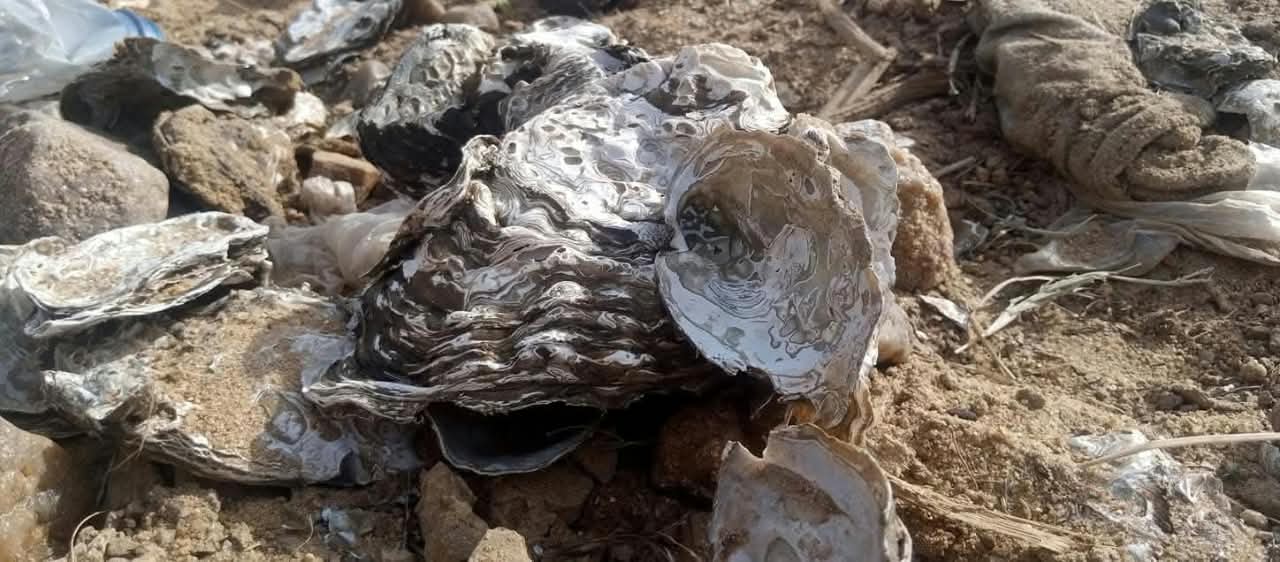
The gradual decline of oyster populations and other aquatic species in parts of Northern Nigeria has raised fresh concerns over the growing impact of climate change, environmental degradation, water pollution and unsustainable human activities on aquatic ecosystems.
Ibrahima Yakubu, a science and environmental journalist and Head of Communication and Strategies at African Climate Reporters, has raised the alarm over the situation, urging governments, scientists, communities, conservationists and the media to work together to protect vulnerable aquatic species from extinction.
Yakubu, who has devoted years to environmental reporting, has used journalism to draw attention to climate change, water pollution, habitat destruction, biodiversity loss and other environmental challenges affecting communities and aquatic ecosystems.
Through his reports and advocacy, he has also worked with scientists, environmental experts and other stakeholders to deepen public understanding of environmental issues and promote practical solutions, particularly through accessible media platforms and local-language journalism.
According to Yakubu, the declining oyster population should not be viewed as an isolated environmental concern, but as part of a wider biodiversity and climate crisis.
He noted that rising temperatures, changing environmental conditions, pollution, destruction of aquatic habitats and increasing pressure on natural resources could negatively affect the ability of oysters and other aquatic organisms to survive and reproduce.
The growing demand for affordable sources of animal protein, he added, could further increase pressure on aquatic resources if harvesting is not carried out sustainably.
Yakubu stressed that protecting oysters requires reliable scientific information, stronger environmental policies and meaningful participation by communities whose livelihoods and food security depend on healthy aquatic ecosystems.
Urgent Steps Needed
He called for increased research and documentation to establish the current status of oyster populations, their breeding grounds, population trends and the major factors responsible for their decline.
He also advocated the protection of wetlands, rivers, lakes, streams and other aquatic habitats from pollution, uncontrolled development and destructive activities.
According to him, reducing the discharge of industrial waste, sewage, plastics, agricultural chemicals and other pollutants into waterways must remain a priority, alongside stronger enforcement of environmental regulations and improved waste management.
Yakubu further urged authorities and communities to promote sustainable harvesting practices, including locally appropriate conservation measures that would allow aquatic species to reproduce and recover.
He said climate adaptation should also be incorporated into aquatic conservation programmes, particularly as rising temperatures, changing rainfall patterns, droughts and flooding continue to alter aquatic ecosystems.
The journalist emphasised the importance of involving local communities in conservation efforts, noting that residents often possess valuable traditional knowledge about changes in species populations and environmental conditions.
Media Has Role to Play
Yakubu also called on journalists to pay greater attention to threatened aquatic species and environmental degradation, saying consistent reporting could keep conservation issues on the public and policy agenda.
He maintained that journalism could serve as an early-warning mechanism by drawing attention to environmental threats before they reach critical levels.
“When a species begins to disappear, society must not wait until it is gone before taking action. Journalism can sound the alarm, science can provide the evidence, communities can protect their natural resources, and collective action can save threatened species from extinction,” Yakubu said.
He added that saving oysters and other aquatic species would require a collective commitment from governments, scientists, journalists, conservation organisations, civil society groups, traditional institutions and local communities.
“We can save this species and other aquatic species from extinction if we join hands and work together to protect our aquatic ecosystems and the animals that depend on them,” he said.
Yakubu’s advocacy highlights the need for preventive conservation, rather than waiting until vulnerable species become critically endangered before action is taken.
He stressed that protecting oysters is ultimately part of a broader effort to preserve biodiversity, strengthen climate resilience, safeguard natural resources and ensure that future generations inherit healthy aquatic ecosystems.