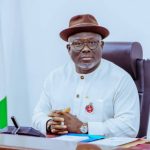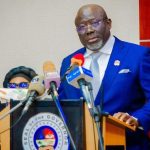
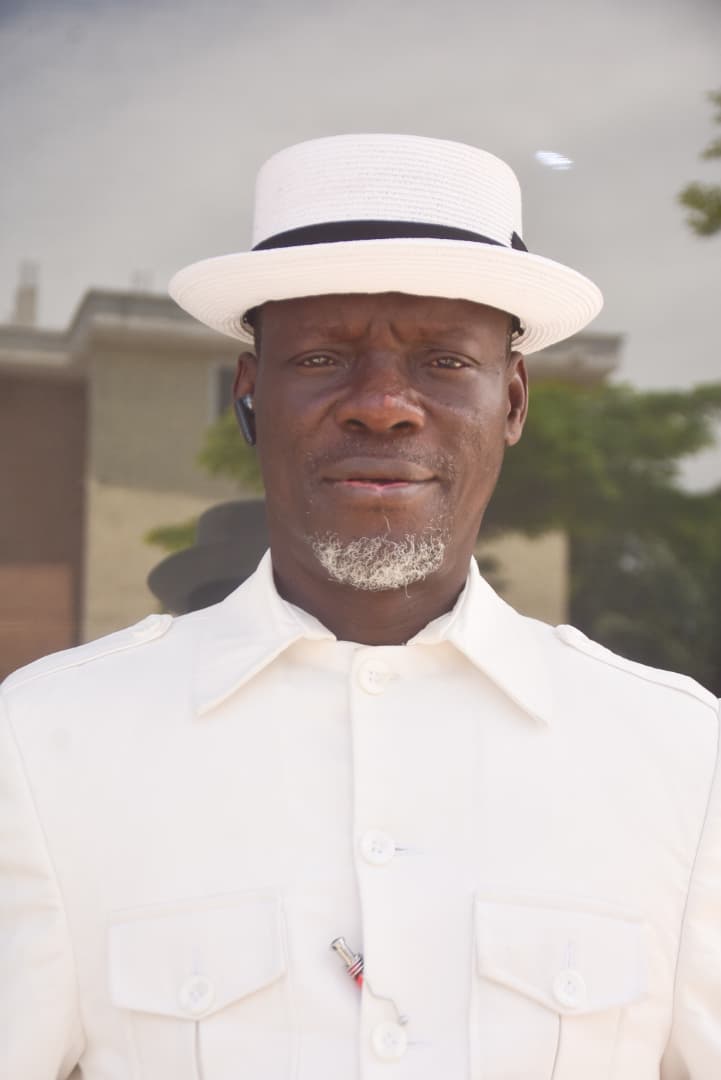
A Delta State-born environmental rights advocate and development expert, Comrade Sheriff Mulade, has urged the Governor of Delta State, Rt. Hon. Sheriff Oborevwori, to deliberately include riverine host communities in the state’s ongoing infrastructural development agenda.
Mulade, who is also a candidate of the Nigerian Democratic Congress (NDC) for the Warri Federal Constituency seat in the House of Representatives, said communities in the state’s riverine areas remain largely excluded from major development projects despite their significant contribution to the state’s economy.
Riverine Communities “Neglected Despite Economic Contribution”
Speaking in a statement, Mulade expressed concern that coastal communities predominantly occupied by the Ijaw and Itsekiri ethnic nationalities continue to suffer infrastructural neglect, particularly in the area of people-oriented capital projects.
He noted that while these communities contribute substantially to the state’s revenue through oil, gas, and blue economy activities, they remain deprived of commensurate development.
“The riverine areas are not only deprived of meaningful development but are also neglected in terms of major people-oriented projects that can open up the coastal communities for economic growth,” he said.
Call for Inclusive Development Agenda
Mulade, who holds the traditional title of Ibe-Serimowei of Gbaramatu Kingdom in Warri South-West Local Government Area, appealed to Governor Oborevwori to ensure equitable distribution of infrastructure across both upland and coastal communities.
He argued that inclusivity in development would promote peace, economic balance, and a stronger sense of belonging among host communities that sustain the state’s resource base.
“The Ijaw and Itsekiri people contribute over 70 percent of the state’s revenue through oil, gas, and the blue economy. Yet, the communities that produce these resources remain largely underserved,” he stated.
Proposed Strategic Road Projects
Mulade also highlighted several key road projects he said should be prioritised by the state government as part of efforts to open up the riverine areas and stimulate economic activities.
Among the proposed projects are:
Ayakoromo–Burutu–Forcados–Odimodi–Ogulagha road, linking several coastal communities and the Forcados oil terminal
– Omadino–Okerenkoko–Kokodiagbene–Escravos road, connecting key oil production corridors
– Koko–Ogheye–Gbokodo–Opuama road in Warri North Local Government Area – Camp 5–Seitorububou–Kurutie–Kunukunuma–Ibefan–Azama–Oporoza–Ogidigben–Yokri/Sokebolou–Obotobo ring road network – Ojobo–Ndoro–Aghoro road linking Delta State to neighbouring Bayelsa State
According to him, these projects are critical to unlocking the economic potential of the state’s coastal regions and improving connectivity between oil-producing communities.
“Road Connectivity Key to Blue Economy Growth”
The development advocate stressed that road infrastructure remains central to the development of Delta’s riverine communities and the realization of Nigeria’s blue economy potential.
“Road connectivity is a panacea for rapid development in Delta’s riverine areas. It is essential for achieving the long-discussed blue economy goals of the state and the country at large,” he said.
Commendation and Appeal
While commending Governor Oborevwori for ongoing infrastructural development in urban areas of the state, Mulade urged the administration not to overlook the communities that serve as the economic backbone of Delta State.
He noted that true development must reflect balance, fairness, and inclusivity across all regions.
“The governor has done well in urban infrastructural development, but the communities that generate the state’s wealth remain largely neglected. That imbalance must be addressed,” he added.
Mulade concluded by urging the state government to adopt a more deliberate and inclusive approach to development as Delta State marks its 35th anniversary.