By Abdullahi Alhassan, Kaduna
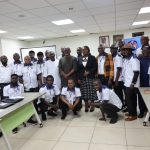
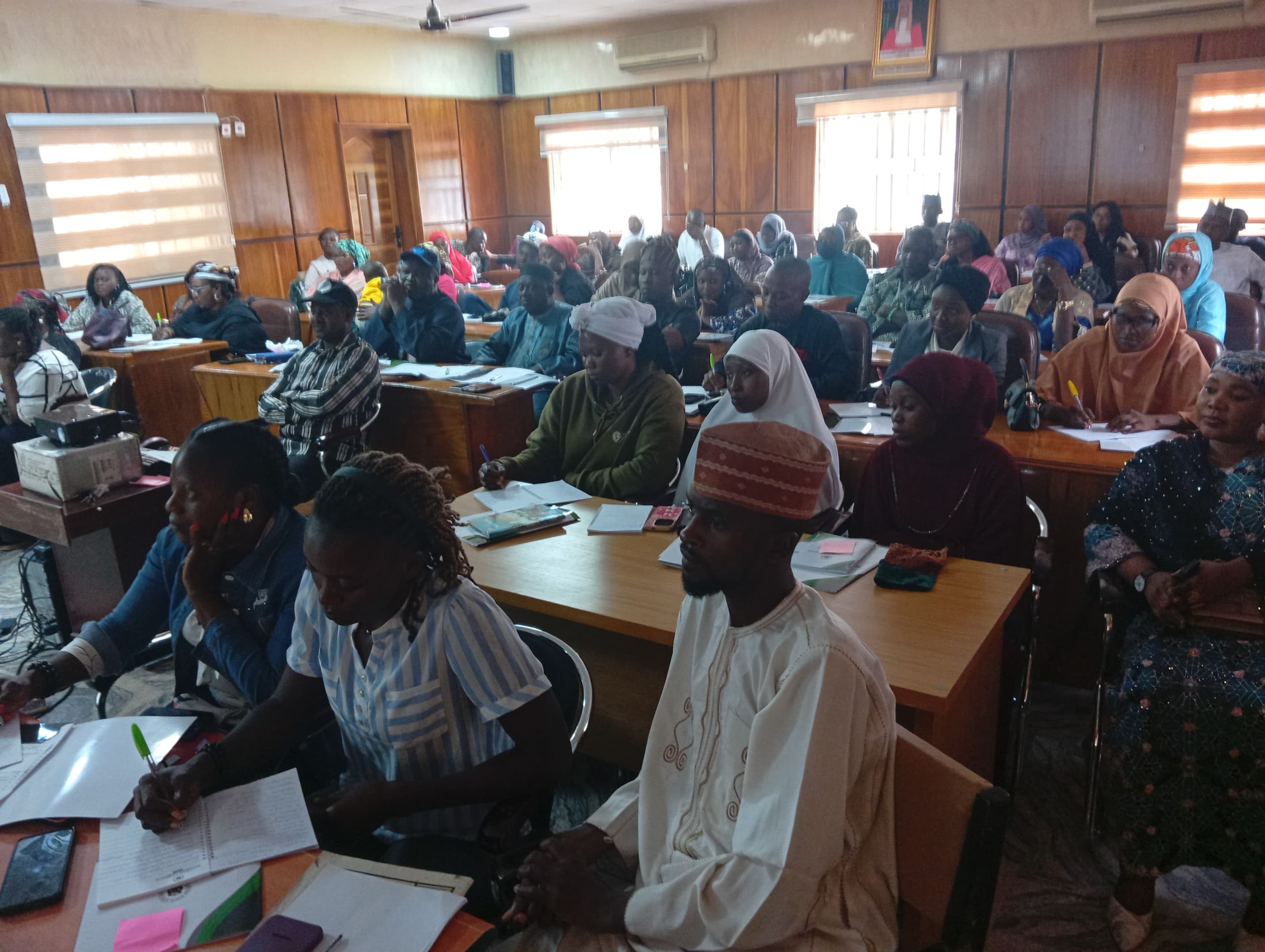
More than 40 professionals drawn from the judiciary, regulatory bodies, academia, religious institutions and civil society are participating in an intermediate-level training on Alternative Dispute Resolution (ADR) in Kaduna.
The training, which commenced on Wednesday, is being organised under the Kaduna State Multi-Door Courthouse and ADR Centre’s three-tier capacity-building programme comprising foundation, intermediate and professional levels.
Participants include serving judges, lawyers, lecturers, religious leaders, nominees and officials of institutions such as the Securities and Exchange Commission, Public Complaints Commission and International Human Rights Commission.
Funded by the German Embassy, Abuja, and coordinated by the Interfaith Mediation Centre, Kaduna, the programme is designed to strengthen participants’ capacity to prevent, manage and resolve conflicts before they escalate into prolonged disputes or litigation.
Speaking at the opening of the training, Director of the Centre, Mrs Dorcas Daniel, said participants would be exposed to practical approaches to conflict analysis, mediation and community healing.
According to her, the training focuses on identifying the underlying causes of conflicts, including competition over resources, ethnic and cultural differences, governance-related issues, values, positions, needs, interests and expectations.
Daniel said conflicts occur at different levels, from personal and family disputes to community and international conflicts, stressing that the Centre promotes ADR as an effective alternative to conventional litigation.
She listed mediation, arbitration, conciliation, expert determination, hybrid processes, restorative justice, trauma healing and counselling among the mechanisms available for resolving disputes.
The Director urged participants to translate the knowledge acquired into practical interventions in their workplaces, communities and personal relationships.
“It is not just to learn, but they have to put it into practice in their relationships, in where they work, and in what they do,” she said.
Also speaking, the Co-Executive Director of the Interfaith Mediation Centre, Kaduna, Mr Samson Auta, said the initiative was aimed at creating more skilled hands capable of intervening in disputes at the grassroots before they degenerate.
Auta said trained participants would be able to mediate family and community disputes, while complex cases requiring specialised intervention would be referred to appropriate institutions, including government-run Salama Centres across the three zones of the state.
He explained that the programme would also prepare women to facilitate weekly Restorative Justice Circles in 12 communities across Kaduna’s northern, southern and central zones.
According to him, early identification of signs of injustice would enable participants to intervene before disputes escalate and cause wider harm to families and communities.
He added that participants would also be exposed to government hotlines and protection mechanisms designed to safeguard women, particularly younger women, from human rights violations.
“This is for us to have more hands that will be able to do the work that we are doing. They will utilize the capacity acquired in their own communities to mediate on issues that affect them,” Auta said.
A mediator with the Centre, Barrister Khadijah Kabir Shehu, explained that the intermediate programme builds on the foundation course, where participants were introduced to the different “doors” available at the Multi-Door Courthouse.
She said the options include mediation, arbitration, trauma healing, restorative justice and specialised training, adding that participants would proceed to specialty training after the intermediate stage before receiving their certificates.
Shehu stressed that ADR training was not restricted to lawyers, noting that people from different professional and social backgrounds could become effective mediators if they possessed the required understanding, neutrality and practical skills.
She disclosed that the Centre also conducts ADR training in Hausa for traditional rulers, district heads and ward heads who routinely settle disputes within their communities.
According to her, the training helps traditional and community leaders apply structured mediation processes that can provide greater clarity and finality to settlements.
Shehu said disputes were an unavoidable part of human interaction, making mediation skills important for individuals and communities.
“Since dispute is inevitable, mediation is something that is so beautiful for each and every one of us to know how to settle disputes amicably without going to the courts,” she said.
She urged participants to practise the skills acquired during the training and intervene constructively whenever conflicts arise within their communities.
Shehu also encouraged members of the public to explore ADR options before resorting to litigation, stressing that the Multi-Door Courthouse provides alternative avenues for amicable settlement.
“Whenever a dispute arises, whether it’s between themselves or they see it outside their society, they should know the approach to apply before going for the normal court procedure,” she added.