By Abdullahi Alhassan, Kaduna
The Civil Society Legislative Advocacy Centre (CISLAC) has called on the Federal Government to declare a national emergency on insecurity following the worsening wave of kidnappings, banditry and violent attacks across Nigeria, describing the death of retired Major General Rabe Abubakar in bandits’ captivity as a tragic reflection of the country’s deepening security crisis.
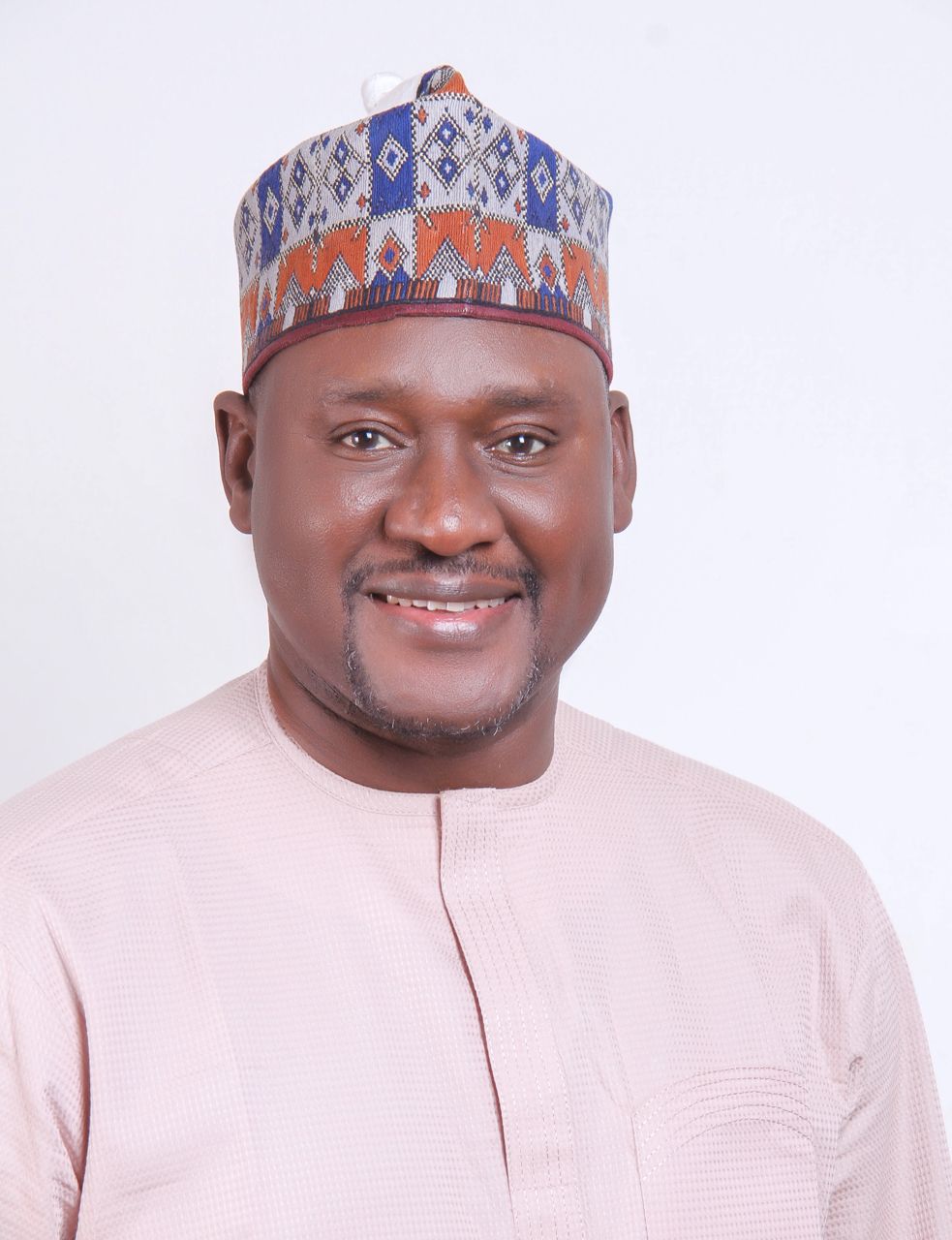
In a statement signed by its Executive Director, Comrade Auwal Musa Rafsanjani, CISLAC expressed grave concern over the continued deterioration of security across the country despite trillions of naira allocated annually to defence and security operations.
Rafsanjani said the death of the retired military officer underscores the growing reach of insecurity, leaving even former senior military commanders vulnerable to criminal elements.
According to him, Nigeria has continued to lose military officers, security personnel, traditional rulers, community leaders and ordinary citizens to criminal groups, raising serious concerns about the effectiveness of the nation’s security architecture.
“The death of a retired Major General in captivity is not only a personal tragedy but also a national tragedy that reflects the alarming state of insecurity in the country. If a decorated military officer who dedicated his life to defending Nigeria can fall victim to bandits, then ordinary Nigerians face even greater danger,” Rafsanjani said.
He noted that the country has continued to lose highly ranked military officers and other security personnel in the line of duty, while criminal groups operate with increasing audacity across several regions.
Rafsanjani said the situation reflects a collective failure by the political class to adequately address the nation’s security challenges.
“We have reached a stage where even those who once occupied strategic positions in government and security institutions are no longer safe after leaving office. This should concern every political leader because insecurity does not discriminate,” he stated.
Rafsanjani also lamented the rising incidence of kidnappings, particularly the abduction of schoolchildren and attacks on rural communities, warning that the trend is eroding public confidence and discouraging school attendance in affected areas.
He cited Amnesty International’s April 2026 report, which indicated that at least 1,100 people were abducted between January and April 2026 in northern Nigeria, particularly in rural communities and internally displaced persons’ camps. He noted that the figure may have risen further following recent cases of mass abductions.
Rafsanjani recalled that President Bola Ahmed Tinubu, in his June 12 Democracy Day address, disclosed that the Federal Government had earmarked N5.41 trillion for defence and security in the 2026 budget, representing the largest security allocation in the country’s history.
President Tinubu also highlighted ongoing military cooperation with international partners, including the United States, France and other European countries, as well as recent operations that reportedly degraded an ISWAP command centre in Arege, Borno State.
However, Rafsanjani argued that despite these substantial investments and reported operational successes, insecurity continues to worsen in many parts of the country.
“The Federal Government must urgently tackle the alarming wave of abductions and violent attacks targeting innocent Nigerians. The situation has reached an unacceptable level and requires immediate, coordinated and decisive action,” he said.
Rafsanjani also expressed concern over systemic failures, negligence, weak intelligence coordination and corruption within the security sector.
He questioned how criminal groups continue to organise and operate across the country despite the presence of multiple intelligence institutions, including the Office of the National Security Adviser, the Department of State Services, the National Intelligence Agency and the Defence Intelligence Agency.
“There is an urgent need to strengthen intelligence gathering, improve inter-agency coordination and dismantle the networks supporting these criminal activities,” he said.
Rafsanjani further called for greater transparency and accountability in security spending, noting that despite substantial annual budgetary allocations to defence and security agencies, the security situation continues to deteriorate.
He therefore called for a comprehensive audit of security expenditures and security votes at both the federal and state levels.
The CISLAC Executive Director also urged the government to improve the welfare, training, equipment and operational capacity of security personnel, stressing the need for proactive and intelligence-driven operations.
While acknowledging ongoing debates on state policing, he cautioned that any implementation must be guided by strong legal and accountability frameworks to prevent abuse.
He criticised political leaders for prioritising elections and political positioning over urgent security challenges, warning that governance becomes meaningless when citizens can no longer live and work in safety.
Rafsanjani further urged the National Assembly to intensify its oversight of security institutions and ensure the prudent utilisation of resources allocated to the sector.
CISLAC reiterated its call for comprehensive security sector reforms, improved intelligence coordination, enhanced community participation in security efforts and sustained political commitment to restoring peace and security across Nigeria.