By Abdullahi Alhassan, Kaduna
The Kaduna State Government has announced plans to commence construction of its Bus Rapid Transit (BRT) system in the first quarter of 2026, with projections that the project will create up to 20,000 direct and indirect jobs, reduce transportation costs and improve air quality.
The proposed mass transit system, which is expected to operate on Compressed Natural Gas (CNG), is designed to provide affordable, efficient and environmentally friendly transportation while easing traffic congestion across the state capital.
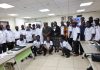
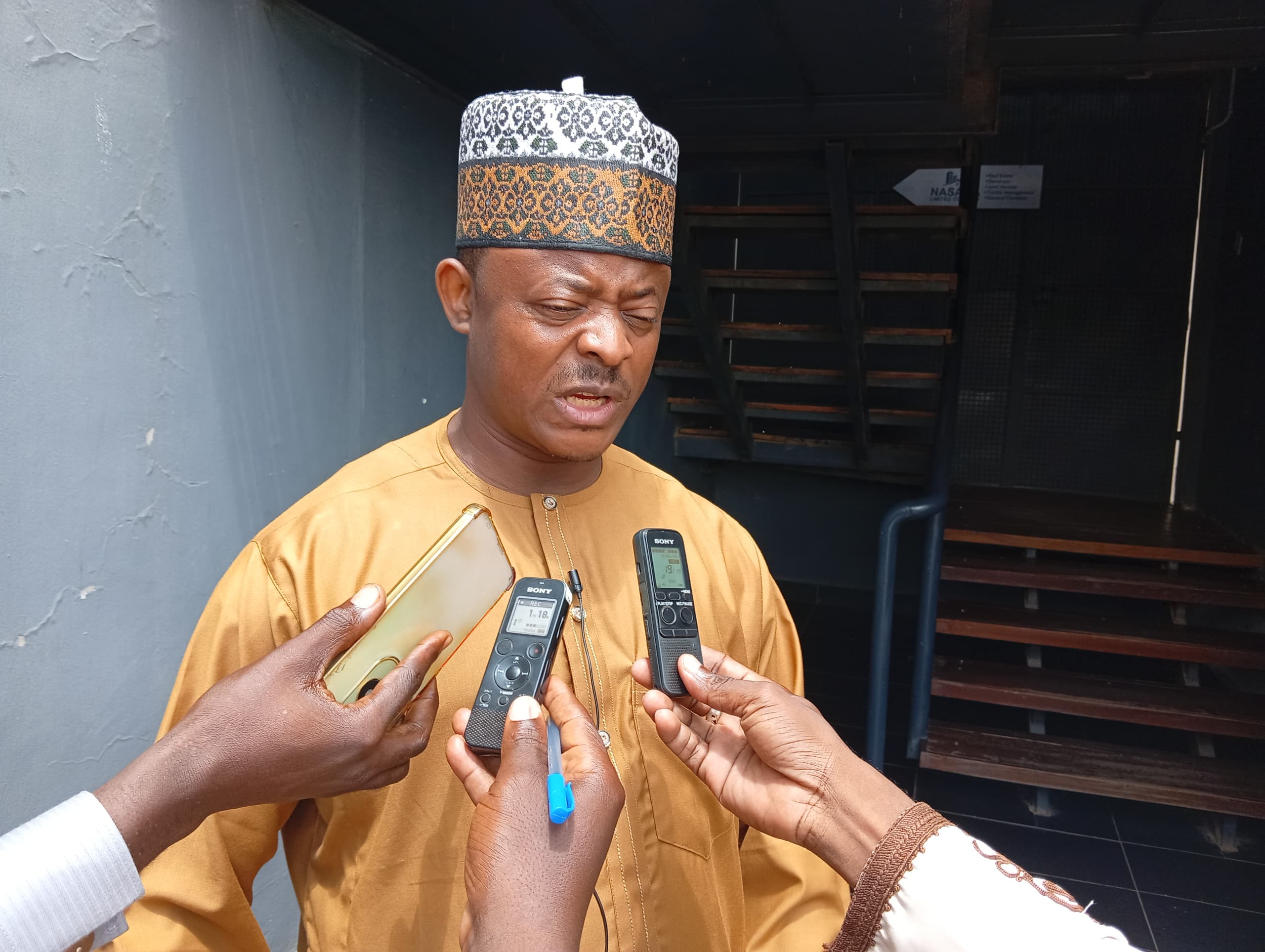
Speaking at a one-day media engagement in Kaduna, the Managing Director of Kaduna Line and Acting Director-General of the Kaduna State Transport Regulatory Authority (KADSTRA), Engineer Inuwa Ibrahim, said the project had completed its design and planning stages and was ready to move into implementation.
He described the initiative as the first of its kind in Kaduna State and the second BRT system in Nigeria after Lagos.
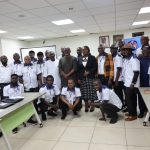
Ibrahim stressed the importance of media engagement in keeping residents informed about government projects and development initiatives.
“Without media, our people, our citizens, will not be able to know what the state government is doing in terms of developmental projects in the entire state of Kaduna State,” he said.
20,000 Jobs, Economic Opportunities
The KADSTRA chief said the 24-kilometre corridor was expected to generate between 10,000 and 20,000 direct and indirect jobs through construction, operations and related services.
He explained that the deployment of 120 articulated buses would create employment opportunities for drivers, mechanics, maintenance personnel and other support workers.
“Considering this number of fleet, even to say you have 120 drivers, the support, the mechanics, servicing, and so on and so forth. So there is so much economic benefit with respect to this project,” Ibrahim said.
He added that the use of CNG would help lower operating costs, potentially translating into more affordable fares for commuters.
According to him, the cleaner fuel would also reduce environmental pollution and improve air quality.
CNG Buses To Reduce Emissions, Traffic Congestion
The Project Coordinator of the Kaduna BRT, Engineer Aliyu Usman, said the initiative was designed to modernise public transportation, promote sustainable urban development and reduce greenhouse gas emissions.
Usman explained that the CNG-powered buses would emit significantly less carbon monoxide than conventional fuel-powered vehicles, helping to reduce the state’s carbon footprint.
He said the project would also shorten commuting time, ease traffic congestion and offer subsidised fares compared with existing informal transport services.
An integrated Intelligent Transport System (ITS), he added, would enhance passenger security, operational efficiency and service delivery.
AFD Financing, 18-Month Construction Timeline
On funding and implementation, Usman said the project was being financed by the French Development Agency (AFD), with counterpart funding from the Kaduna State Government under Governor Uba Sani’s administration to cover taxes and compensation.
He said construction was expected to take approximately 18 months under favourable weather conditions.
Usman also highlighted ongoing efforts by KADSTRA to formalise the state’s public transport sector through the development of structured bus terminals.
The proposed terminals include Mando, Kakuri, designated as the Southern Terminal, and Millennium City, which will serve as the Eastern Terminal.
“Gradually now we are transiting from the informal to formal,” he said.
Phase One To Cover 17 Kilometres, 20 Stations
Providing further technical details, the Project Coordinator for Engineering, Procurement, Construction and Supervision (EPCS) on the Kaduna BRT, Idris Lawal Akiremi of Advance Engineering Consultants, said the infrastructure design for the first phase had been completed.
He said the initial phase would cover 17 kilometres of the proposed corridor and include 20 stations, a terminal at Kawo and a depot.
Akiremi said the detailed design for all infrastructure was expected to be completed by the end of October, after which a six-month procurement process would precede full construction.
He added that utility relocation would commence soon to minimise disruption, while work was ongoing on an alternative route to ease movement during construction.
According to him, Terminal One at Kawo could commence earlier than the main construction schedule, as its design had been completed and procurement was already underway.
Dedicated Lanes To Improve Commuting
Akiremi said the BRT system would prioritise mass transit by operating on dedicated lanes, allowing buses to move faster than private vehicles and reduce travel time along routes linking Kawo, Kasuwan and the southern parts of Kaduna metropolis.
He said the system’s CNG-powered buses would help reduce greenhouse gas emissions by encouraging more residents to use public transportation instead of private cars.
“You cannot overemphasize the importance of this project. It’s going to have a lot of huge impact, especially on the masses, and by extension, to everybody,” he said.
The officials described the Kaduna BRT as a major step towards modernising urban transportation in the state, with anticipated benefits spanning job creation, affordable mobility, reduced congestion and a cleaner environment.