
By Reen Chidi
The Delta State Government has approved N10 billion for the construction and furnishing of classrooms in 92 public primary and secondary schools across the state, in a renewed push to upgrade educational infrastructure and improve teaching and learning conditions.
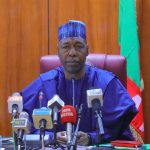
The approval was granted at Monday’s State Executive Council meeting, presided over by Governor Sheriff Oborevwori at the Government House Annex, Warri.
The Commissioner for Works (Rural Roads) and Public Information, Mr Charles Aniagwu, disclosed this while addressing journalists after the meeting. He was accompanied by the Governor’s Chief Press Secretary, Sir Festus Ahon.
Aniagwu explained that the intervention was aimed at addressing critical infrastructure deficits in public schools and providing pupils and students with a more comfortable and conducive environment for learning.
He said the council had approved contracts for the development of selected primary and secondary schools under the first phase of the programme, stressing that the initiative reflected the state government’s resolve to improve educational facilities across communities, regardless of their geographical location.
In addition to the classroom construction projects, the Executive Council also approved the provision of over 4,500 units of school furniture to tackle the shortage of desks and chairs in public schools.
According to the commissioner, the provision of the furniture would enhance the learning experience of pupils and students while also improving working conditions for teachers.
He further disclosed that relevant ministries and government agencies had been directed to strengthen consultations with community leaders and other stakeholders across the 25 local government areas to identify pressing school needs and ensure effective coordination of government interventions.
Aniagwu noted that sustained engagement with stakeholders would also support proper implementation, supervision and monitoring of approved projects.
He described the approvals as another demonstration of Governor Oborevwori’s commitment to the administration’s MORE Agenda, particularly its focus on expanding opportunities, promoting inclusive development and improving the quality of life of residents.
The commissioner also shed light on the decision to hold the State Executive Council meeting in Warri instead of the state capital, Asaba, describing it as part of the administration’s deliberate effort to bring governance closer to the people.
He explained that Governor Oborevwori had upgraded the Government House Annex in Warri to accommodate important government functions, including Executive Council meetings.
According to Aniagwu, decentralising such high-level government activities would promote a stronger sense of belonging among residents in different parts of the state and reinforce the principle that governance and development decisions should not be concentrated in the state capital alone.
He added that the administration remained committed to ensuring that all parts of Delta State benefit from government policies, programmes and development initiatives.