
By Pat Gbemudu
Nearly 14 million Nigerians have been enrolled in various state-backed health insurance schemes across the country as of April 2026, with Delta State emerging as the leading state in enrolment figures, recording close to three million beneficiaries.
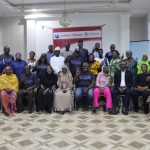
The disclosure was made by the Chairman of the Forum of State Social Health Insurance Agencies (SSHIAs) and Director-General of the Katsina Contributory Healthcare Management Agency, Mohammed Safana, during the maiden National Summit of State Social Health Insurance Agencies held in Akure, Ondo State.
Speaking at the summit themed, “Economic Realities and the Universal Health Coverage Dream: Mobilising States for Sustainable Health Insurance,” Safana said the enrolment milestone reflects growing access to healthcare services for millions of Nigerians without the burden of catastrophic out-of-pocket medical expenses.
He described the gathering as a landmark event, noting that it was the first time representatives from all 36 states of the federation and the Federal Capital Territory had convened to deliberate on strategies for expanding affordable and quality healthcare coverage nationwide.
According to him, the progress recorded by state health insurance agencies has been driven by stronger state ownership, effective community engagement and improved accountability mechanisms.
Safana also applauded the Federal Government for increasing the Basic Health Care Provision Fund from one per cent to two per cent of the Consolidated Revenue Fund, describing the move as a significant boost to primary healthcare delivery and support for vulnerable populations.
Presenting a paper titled “Delta’s Shift to Sustainability,” Director-General of the Delta State Contributory Health Commission (DSCHC), Dr. Isaac Akpoveta, said the commission had moved beyond the pursuit of enrolment figures to prioritising long-term sustainability and system efficiency.
Akpoveta explained that the commission had introduced innovative measures, including facial recognition technology and independent real-time Service Quality Monitoring systems, to curb fraud and strengthen transparency within the health insurance programme.
He noted that the biometric verification system has enhanced accountability, improved service delivery and ensured that healthcare resources are directed to genuine beneficiaries.
In his opening remarks, Ondo State Governor, Dr. Lucky Aiyedatiwa, reaffirmed his administration’s commitment to achieving Universal Health Coverage and announced the introduction of free health insurance coverage for retirees in the state.
The governor called on state governments to deepen collaboration, strengthen partnerships and share successful models that would accelerate access to affordable and quality healthcare for all Nigerians.
The summit featured policy discussions, technical sessions and stakeholder engagements focused on expanding health insurance coverage, improving service quality and securing sustainable financing for healthcare delivery across the country.