By Abdullahi Alhassan, Kaduna
Journalists have been urged to uphold accuracy, independence and professional ethics in their coverage of the 2027 general elections, with media practitioners warned that credible reporting would be critical to ensuring that the public receives an accurate account of the electoral process.
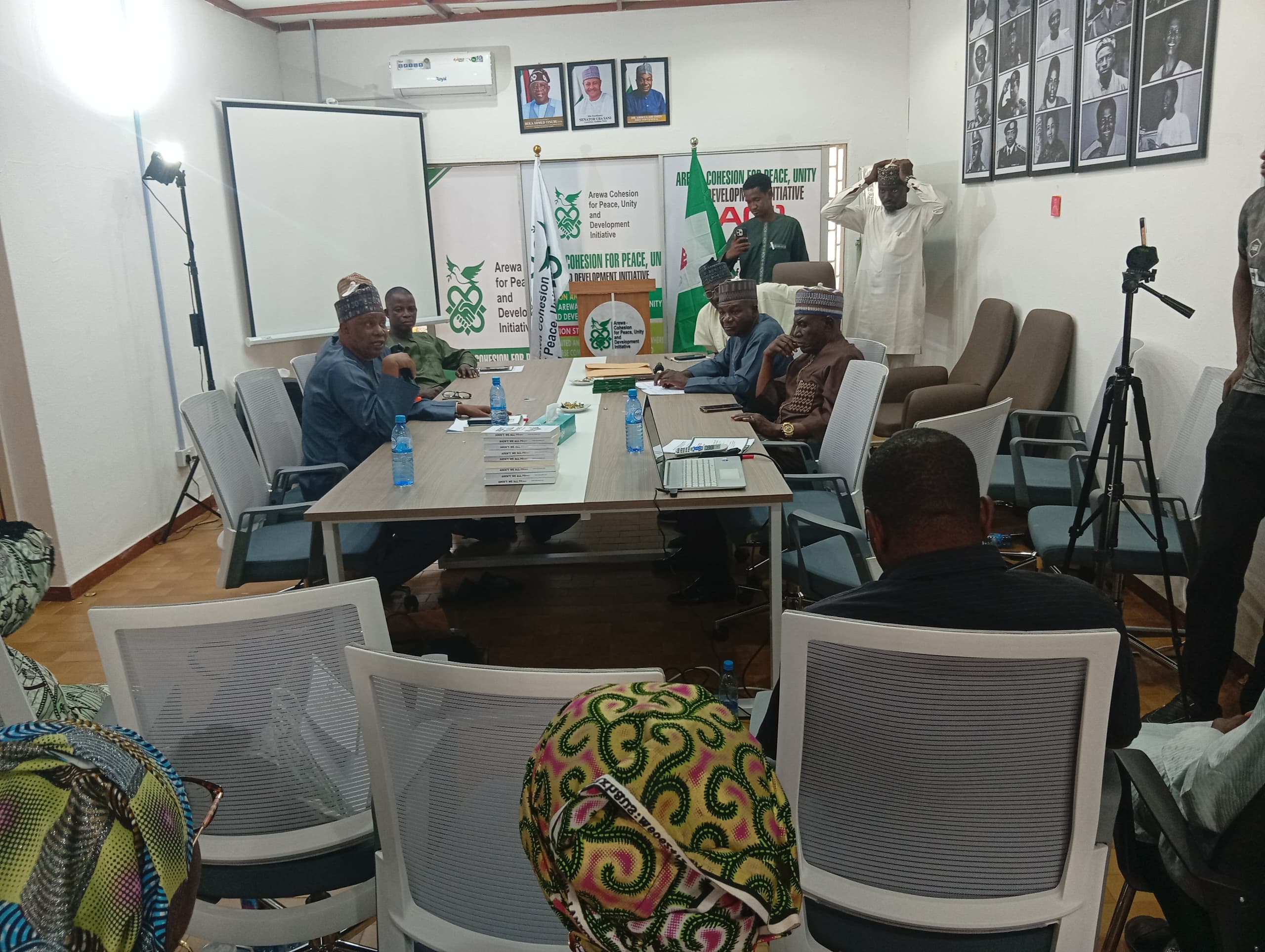
The charge was made at a one-day sensitisation workshop organised in Kaduna by the Arewa Cohesion for Peace, Unity and Development Initiative (ACI).
Delivering the lead paper, media lawyer Elzubair Abubakar examined major aspects of Nigeria’s electoral framework, including the role of the Independent National Electoral Commission (INEC), campaign reporting, electoral offences, results transmission, media accreditation, defamation, contempt and professional standards.
Abubakar said journalists have responsibilities before, during and after elections, stressing that election coverage should go beyond polling-day activities.
“The work does not start on election day and it does not end there,” he said, explaining that journalists should educate voters and counter misinformation before voting, maintain factual and calm reporting during the exercise, and focus on verification and accountability after voting.
According to him, journalists working in volatile areas can strengthen their credibility and safety by maintaining professional integrity and remaining committed to factual reporting.
“If journalists remain on the side of truth and insist that truth must prevail, then they have little to fear. Our credibility is what keeps us safe,” he stated.
He said the ACI initiative was aimed at using the media to educate Nigerians ahead of the 2027 elections, particularly in northern communities where voter education and participation remain areas of concern.
Abubakar urged news organisations to begin preparing and training their election reporters well ahead of the polls.
Also speaking, a lecturer in Mass Communication at Kaduna Polytechnic, Ahmed Balarabe Sai’d, advised journalists to concentrate on accurately reporting electoral processes rather than rushing to announce outcomes.
Sai’d, who spoke on “Pre-publication Verification, Polling-Unit Reporting, the Collation Process, Unofficial versus Official Results,” said journalists needed to understand the procedures governing voting, collation, declaration of results and the handling of electoral disputes.
He cautioned against the practice of prematurely declaring winners, stressing that journalists should distinguish between reporting processes and announcing official results.
“For example, being in a hurry to announce results when it is not their responsibility, and rather than announcing processes, they are announcing outcomes,” he said.
Sai’d urged participants to apply the knowledge gained from the workshop to their election assignments, noting that better preparation would help journalists avoid professional and legal pitfalls while fulfilling their role as gatekeepers.
A media expert, Madiba Ibrahim Lapini, meanwhile, called for greater emphasis on fact-checking and digital verification in election reporting.
Lapini said journalists should verify videos, photographs, social media claims and other digital materials before publication, particularly when such content could influence public perception of an election.
He recommended the use of verification tools, including Google Lens and Google Images, to establish the authenticity and context of images and other visual materials.
He said rigorous verification would contribute to more credible reporting and help protect the electoral process from misinformation and bias.
Veteran journalist and former FRCN editor, Joseph Edegbo, urged journalists to maintain professional distance from politicians in order to preserve their independence and credibility.
Speaking on “Public Interest Journalism: Independence, Impartiality and Accountability,” Edegbo maintained that journalists should remain focused on the interests of citizens rather than political actors.
“The more you get closer to politicians, the more you dance to their tune. Whoever pays the piper dictates the tune,” he said.
He also advised journalists to reject inducements and avoid allowing personal interests to influence their professional judgment, stressing the importance of fact-based and independent journalism during elections.
In his opening remarks, ACI Director-General, Dr Abdullahi Idris, said the credibility of elections could also be affected by the information circulated in the public space.
“Holding leaders accountable does not mean supporting their opponents. Reporting wrongdoing does not require political allegiance. Fairness does not mean treating every claim as equally credible,” Idris said.
He explained that the workshop was not intended to dictate political choices but to strengthen journalists’ professional capacity and enable citizens to receive reliable information ahead of the 2027 elections.
Idris said the initiative would support responsible journalism and peaceful civic participation by equipping media practitioners with the knowledge required to report the electoral process accurately and professionally.