
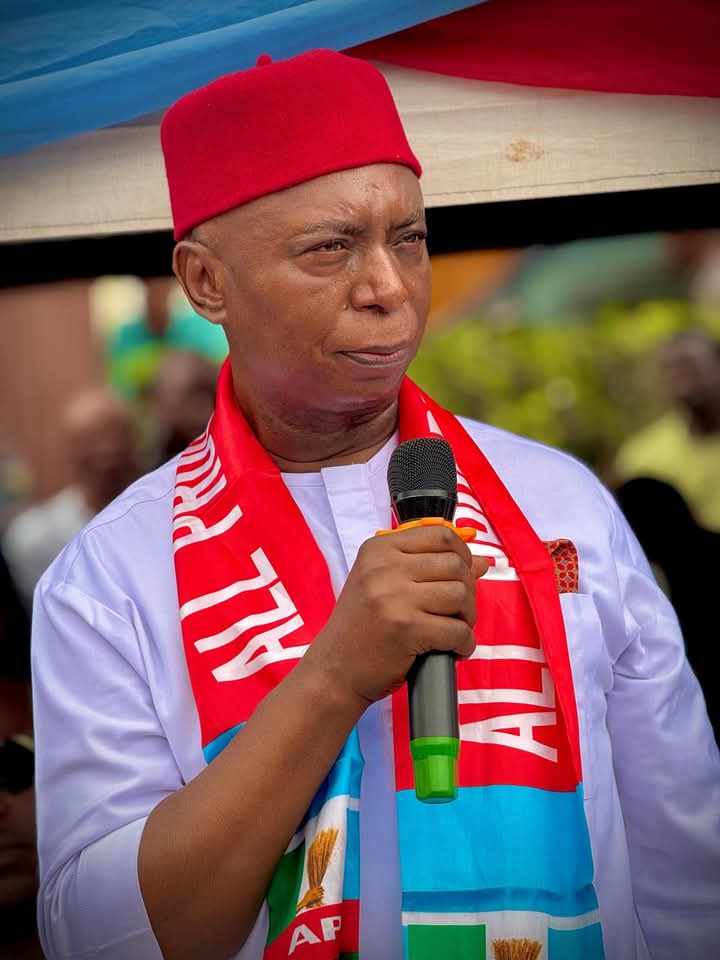
By Chidi Chukwutem
There are moments in public life when perception shifts quietly but permanently. My encounters with Ned Nwoko have been such moments, experiences that reshaped my understanding of leadership and the humanity behind public office.
Having met the Senator on several occasions, each interaction revealed dimensions of his character that extended far beyond official titles or political influence.
What stood out was not merely the presence of a lawmaker fulfilling his mandate, but a leader whose personality reflects composure, conviction, openness, transparency, and an understated warmth.
The first impression is not dominance, but presence, an intellectual calm that settles into a room without demanding attention.
He speaks deliberately, selecting his words with clarity and precision, yet without rigidity. His confidence is evident, but never overbearing. It is the quiet assurance of someone who understands both the weight of responsibility and the limits of power.
What struck me most, however, is his ability to listen. In a political culture where speaking often eclipses hearing, he leans forward when others speak. I observed this repeatedly.
Whether engaging in policy discussions or listening to personal concerns, he does not interrupt unnecessarily. He reflects before responding.
And when he does respond, it is evident that he has internalized the substance of what was shared. That attentiveness is rare, and deeply human. It leaves people feeling acknowledged and valued.
One particular encounter remains vivid. A group of young people approached him with anxiety about their future. They left not with grand promises, but with practical reassurance.
He did not dismiss their concerns or resort to rhetoric. Instead, he acknowledged the structural challenges they faced and spoke candidly about realistic pathways forward.
The exchange was marked by honesty and encouragement, a form of leadership stripped of theatrics and grounded in sincerity.
Despite his stature, accessibility defines his public engagement. I have watched him interact seamlessly with traditional leaders, market women, professionals, and students alike, meeting each group at its level without diminishing anyone’s dignity.
Security protocols exist, but they never serve as barriers to genuine interaction. There is consistency in how he treats people, and that consistency builds trust. People are not intimidated in his presence; they feel invited into conversation.
His philanthropic initiatives further underscore this disposition. They are not gestures crafted for applause, but interventions designed for lasting impact.
His commitment to educational support, healthcare access, and infrastructural development reflects strategic thinking rooted in sustainable empowerment.
When he speaks about investing in human capital, it is not abstract language—it is backed by deliberate action.
Yet beyond projects and public programmes lies something even more compelling: empathy. I once witnessed a constituent approach him with a deeply personal hardship.
The atmosphere shifted instantly. Formality gave way to genuine concern. He listened patiently, responding not as a politician calculating optics, but as a human being moved by another’s struggle.
In that moment, compassion eclipsed politics. It was instinctive, not performative.
Leadership can often create distance, insulation from everyday realities. What I have observed in him is a conscious resistance to that distance.
He carries ambition and vision, but he remains rooted in responsibility to the people. His approach balances development goals with human connection, making his leadership feel relational rather than transactional.
On a personal level, these encounters have challenged my assumptions about public office.
They have reinforced the belief that authority does not have to suppress empathy, and influence does not require detachment. It is possible to hold power and still hold people close.
When I reflect on these experiences, what lingers is not a specific speech or legislative achievement, but a feeling, the feeling of being heard, respected, and valued.
That, to me, is the essence of meaningful leadership. It is measured not only by policies enacted or projects delivered, but by the lives touched along the way.
In Senator Ned Nwoko, I have encountered a leader who understands that governance ultimately revolves around people, their dignity, aspirations, and struggles.
And it is that understanding that makes his leadership both compelling and profoundly human