
By Patrick Ochei
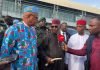
Prince Emmanuel Ohai, a United States–based philanthropist and founder of the Umu Anioma Foundation, is set to make a strategic shift from humanitarian service to active participation in politics, signaling a new chapter in his decades-long commitment to the development of the Anioma region in Delta State.
Renowned for his sustained advocacy for cultural preservation and socio-economic advancement, Ohai has built a strong reputation as a catalyst for grassroots empowerment.
Through the Umu Anioma Foundation, he has championed numerous youth-focused initiatives, particularly in the area of vocational training and skills acquisition, equipping young people with practical tools for self-reliance and sustainable livelihoods.
His impact was notably felt during the devastating 2012 flood crisis that ravaged several communities across Delta State.
In response, Ohai mobilized critical medical support to affected areas battling post-flood health challenges, earning widespread commendation for his timely intervention and humanitarian leadership.
With growing indications of a political ambition, Ohai is reportedly aligning with the African Democratic Congress (ADC), exploring a potential bid for either the Aniocha-Oshimili Federal Constituency seat or the Delta North Senatorial District.
Political analysts believe his deep-rooted connection with the grassroots, especially among women and youth constituencies, positions him as a formidable contender.
His accessibility, coupled with a verifiable record of service, has reportedly galvanized support across key community blocs within the region.
Although an official declaration is yet to be made, Ohai’s increasing consultations and visible engagement within party circles point to an impending announcement.
Should he formally enter the race, his candidacy is expected to inject a development-driven perspective into Delta North’s political space, where issues such as youth empowerment, healthcare delivery, and inclusive growth continue to dominate public discourse.