By Reen Chidi
The Delta State Executive Council has approved a proposed 2027 budget of N1.237 trillion, alongside a far-reaching package of infrastructure projects spanning roads, education, judicial accommodation, security facilities and community development across the state.
The approvals, which signal the Oborevwori administration’s determination to sustain its infrastructure drive, were reached at Monday’s Executive Council meeting presided over by Governor Sheriff Oborevwori at the Government House Annex, Warri.
The proposed appropriation bill, valued at N1,236,874,981,081, is to be forwarded to the Delta State House of Assembly for legislative consideration and approval.
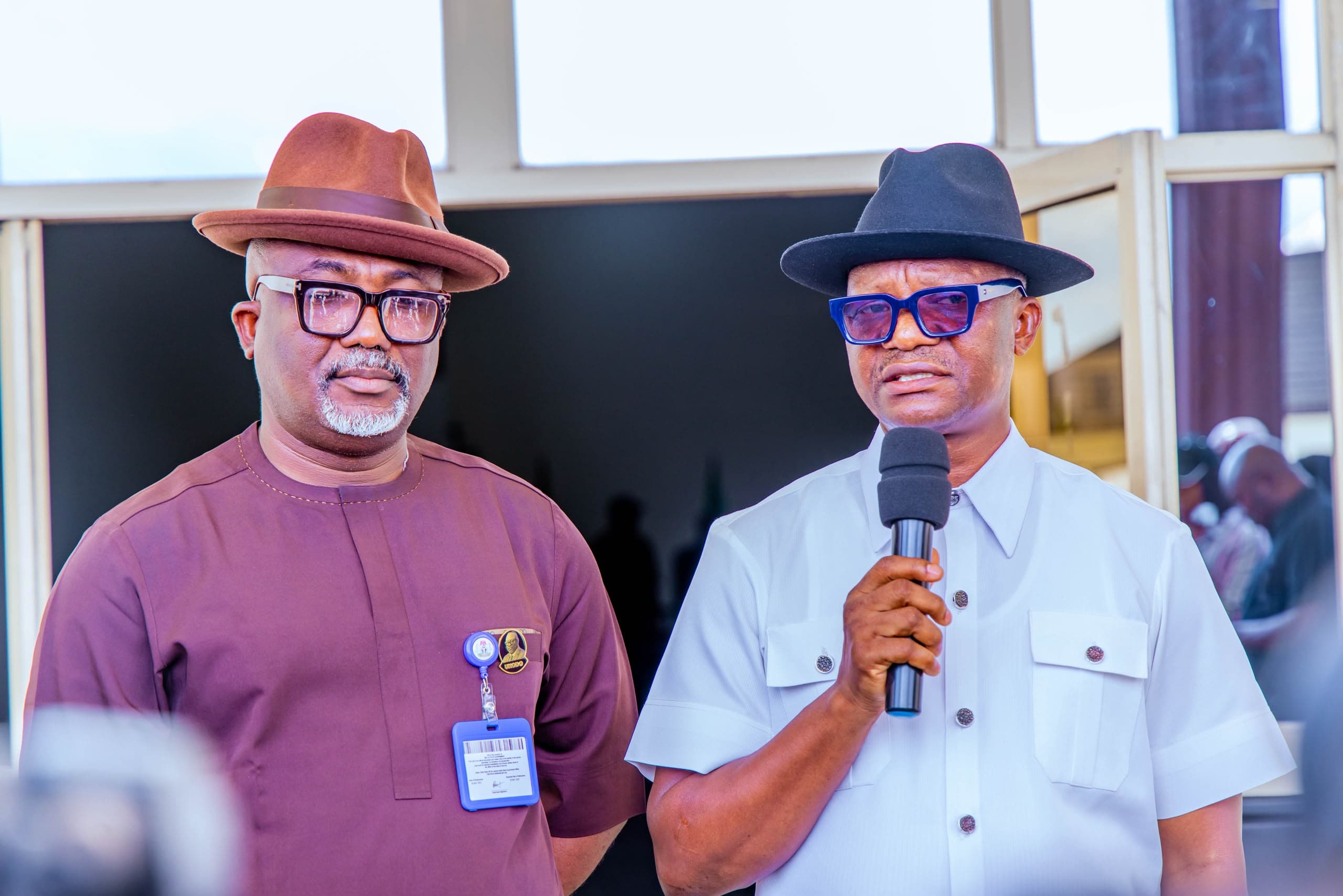
Commissioner for Works (Rural Roads) and Public Information, Mr Charles Aniagwu, disclosed the decisions while briefing journalists after the meeting. He was accompanied by the Chief Press Secretary to the Governor, Sir Festus Ahon.
Aniagwu explained that the proposed budget would provide the fiscal foundation for the administration’s development programmes in 2027, ensuring continuity in ongoing projects while creating room for fresh interventions across critical sectors.
However, beyond the trillion-naira budget proposal, the extensive list of infrastructure approvals emerged as one of the major highlights of the meeting, with communities across the three senatorial districts set to benefit from new road construction, rehabilitation and reconstruction projects.
Asaba, Ibusa, Other Communities Get Major Road Interventions
In Oshimili North, the Council approved the construction of the Ministry of Works Multi-Purpose Cooperative Road at Okotomi, Okpanam, as well as Savage Onianwa Close, Frederick Osy Osadebe Drive and Professor Dili Ofuokwu Street in Ibusa.
In neighbouring Oshimili South, several roads in Asaba received approval, including Ennayelugo Crescent, with a spur to Bremmy Hotel Street in Bonsac; Pat Manuel Muotoh Street, with adjoining spurs and overlay works off Rose Ojeh Street; Dr Chukwuka Obiora Street and Favour Odogwu Street.
Other approved projects in the state capital include Gallant Chi Chi Street, Engr. Fred Ejiofor Street, Obiegbune Street and Professor Sam Osamene Street, alongside the reconstruction of Iseke Road and adjoining spurs in Zappa Community.
The road infrastructure package also extends to Udu Local Government Area, where the Council approved the reconstruction of Otor-Udu–Owhrode/Orhuwhorun/Mofor Road, including a spur at Erhiephiyor and Usiefrun.
In the same axis, Aladja Road, stretching from Premium Steel Mill, formerly Delta Steel Company (DSC), to Aladja Town, is to undergo rehabilitation.
Other approvals include Okuokprere Community Road in Ethiope West, Amori Road in Mosogar and Etevie Ikosa Okpi/Primary Health Care Road in Emu-Unor, Ndokwa West.
In Isoko North, the Council approved Phase Three of the Emevor–Ivrogbor–Orogun Road, while Phase Two of the Kolokolo–Tisun Road in Warri North also received approval.
Sapele is equally captured in the infrastructure plan, with the construction of a section of MTN Road, extending from Okirighwire Road to Flourish International School, including a spur to Town Gate Road.
In Aniocha South, the approved projects include Obi Dr. HRM Ifechukwude Okonjo Street and Obi Palace Internal Road, as well as the reconstruction of Umu Jeboma and Ogbeokwuni Streets and maintenance of critical failed portions of roads around Ogwashi-Uku.
The government also approved the rehabilitation of two kilometres on either side of the Benin–Asaba Expressway at Ubulu-Okiti to enhance accessibility and ease transportation for residents and motorists.
In Ika North East, the Old Lagos–Asaba Road in Agbor is scheduled for rehabilitation, while Ighegheidin Street, Osih Street and Ewere Street through Isimi Road, from Area Five Junction to Second Powerline Road, in Boji-Boji Owa, also featured in the approvals.
Government Moves to Fast-Track Major Road Projects
Beyond approving new infrastructure, the Council also took steps to accelerate the delivery of critical ongoing projects by reducing their contractual completion periods.
Aniagwu disclosed that the completion timeline for the reconstruction of PTI–Eku Road, from Chainage 3+600 to Ugolo Junction in Okpe Local Government Area, had been revised downward from 12 months to seven months.
Similarly, Phase Two of the Warri Internal Ring Road, covering the stretch from NPA Gate to Effurun Flyover Expressway, will now have an eight-month completion timeline instead of the initially approved 12 months.
The adjustments, he said, were part of the administration’s efforts to ensure that strategic road projects were delivered within shorter periods, thereby accelerating their benefits to residents and businesses.
Judges, Police, Education Facilities Benefit
The Executive Council also approved the construction of five additional residential buildings for judges in the state, in a move aimed at improving their accommodation and working conditions.
In the security sector, the Council ratified the construction of a modern police station and staff quarters at Osubi in Okpe Local Government Area.
The education sector also received attention, with the ratification of the completion of the administrative block of the College of Education, Warri.
Similarly, the installation of standard solar-powered streetlights across the mandate areas of the Delta State Oil Producing Areas Development Commission (DESOPADEC) was ratified as part of efforts to improve public illumination, enhance security and promote safer communities.
Oborevwori Takes Government Closer to the People
Explaining the decision to hold the Executive Council meeting in Warri, Aniagwu said the move reflected Governor Oborevwori’s belief that governance should not be concentrated in Asaba, the state capital.
He maintained that residents in other parts of the state should equally feel the presence of government through the location of important government activities and the equitable distribution of development projects.
According to him, the geographical spread of the approved projects demonstrates the administration’s commitment to inclusive development, with interventions designed to address the infrastructure needs of communities across Delta.
Aniagwu further assured that the administration would not allow political activities to derail its governance responsibilities, stressing that project execution and the improvement of residents’ living conditions remained central to the Oborevwori government’s agenda.
With the proposed N1.237 trillion budget awaiting legislative consideration and a fresh wave of infrastructure approvals secured, the administration is positioning 2027 as another significant year for public investment and development across Delta State.