By Austin Oyibode
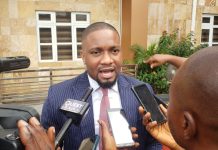
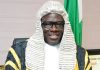
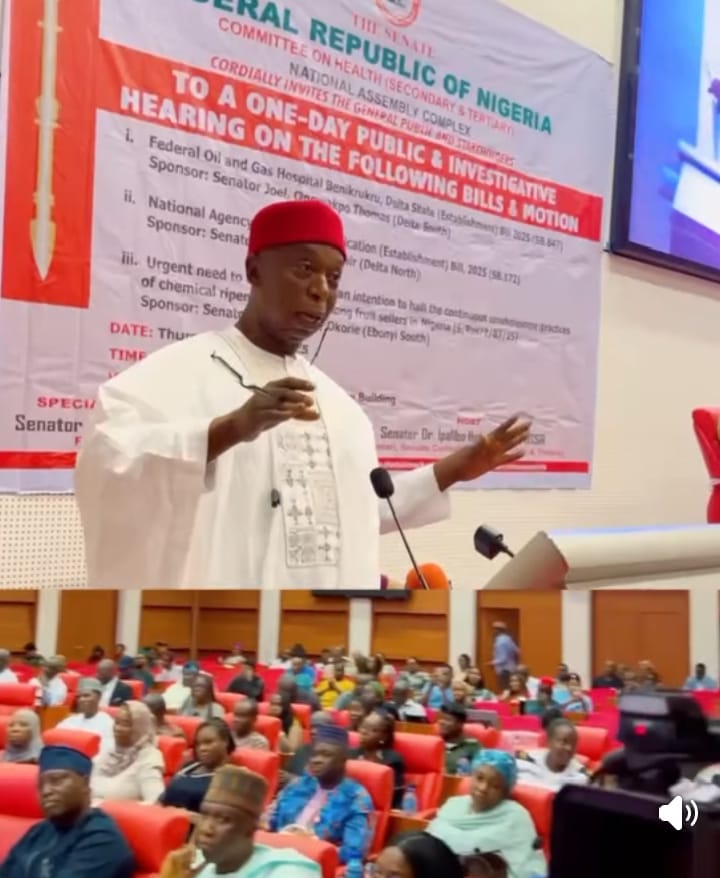
Senator Ned Nwoko has passionately advocated for the creation of a dedicated national agency to combat malaria in Nigeria, calling it a pivotal step toward eradicating the country’s ongoing struggle with the deadly disease.
As the sponsor of the bill, A Bill for an Act to Establish the National Agency for Malaria Elimination (NAME) (SB.172), Senator Nwoko emphasized the urgency of a comprehensive, coordinated effort to tackle malaria, an issue that continues to devastate lives and stifle Nigeria’s economic progress.
In a public hearing held at the National Assembly, Senator Nwoko addressed lawmakers, health experts, and civil society representatives, describing malaria as a national emergency.
He cited the World Health Organization’s 2024 report, which revealed that malaria claims the lives of approximately 600,000 people annually in Africa, with Nigeria alone accounting for over 184,000 deaths, the highest toll of any country in the world.
“These are not just statistics,” Senator Nwoko stressed. “They represent families torn apart, futures interrupted, and a nation weakened by a preventable disease.”
He expressed concern about the normalization of malaria in Nigeria, noting that if the disease were as widespread in Europe or North America, it would have been eradicated long ago.
The swift global response to the COVID-19 pandemic, which saw rapid vaccine development and massive funding, Nwoko argued, demonstrated what could be achieved when health threats are treated with urgency.
However, malaria continues to suffer from a fragmented, underfunded, and poorly coordinated response, he said.
“Malaria is not only a health crisis; it is an economic burden, a threat to maternal and child health, and a barrier to national development,” Nwoko explained.
He pointed out that malaria contributes to about 11% of maternal deaths in Nigeria and exacerbates issues such as severe anemia, miscarriages, stillbirths, and infant mortality.
Additionally, the disease leads to significant loss of productivity, costing the economy millions of man-hours each year, while raising healthcare costs for both businesses and families.
Despite ongoing private sector efforts, including initiatives by his own foundation, Senator Nwoko argued that only a structured, state-led approach can address the crisis effectively.
He criticized the current fragmented institutional response, noting that the National Malaria Elimination Programme (NMEP) lacks enforcement power, the National Primary Healthcare Development Agency (NPHCDA) lacks the scale to tackle the issue, and the Nigeria Centre for Disease Control (NCDC) has limited involvement in malaria control. Even the Presidential End Malaria Council, he said, lacks legislative backing and executive authority.
To remedy this, the senator proposed the creation of the National Agency for Malaria Elimination (NAME), which would operate as a centralized, autonomous agency with full legislative backing to spearhead a unified, science-driven national response to malaria.
The agency would not only formulate and implement comprehensive eradication policies, but also coordinate cross-sectoral interventions, manage resources efficiently and transparently, and invest in groundbreaking research and innovation, including exploring genetic approaches and vaccine development.
“Our mosquitoes are evolving, and our parasites are adapting. Our response must evolve too,” Senator Nwoko remarked. “We cannot defeat malaria with a disjointed and underpowered system. We need a strong, unified agency with the sole mission of eliminating this disease.”
The senator called on Nigerians to support the bill, emphasizing the wide-reaching consequences of inaction.
“Nigeria can no longer continue to lead the world in malaria-related deaths. This is not just about saving lives; it’s about strengthening our healthcare system, boosting productivity, and securing a healthier future for generations to come.”
The hearing generated significant interest from health professionals, lawmakers, and international development partners, many of whom lauded the bill as a timely and necessary intervention.
If passed, the bill could mark a major milestone in Nigeria’s public health history and serve as a model for malaria eradication efforts across the continent.