…calls for debt transparency, fiscal accountability, and equitable global financial governance
By Abdullahi Alhassan, Kaduna
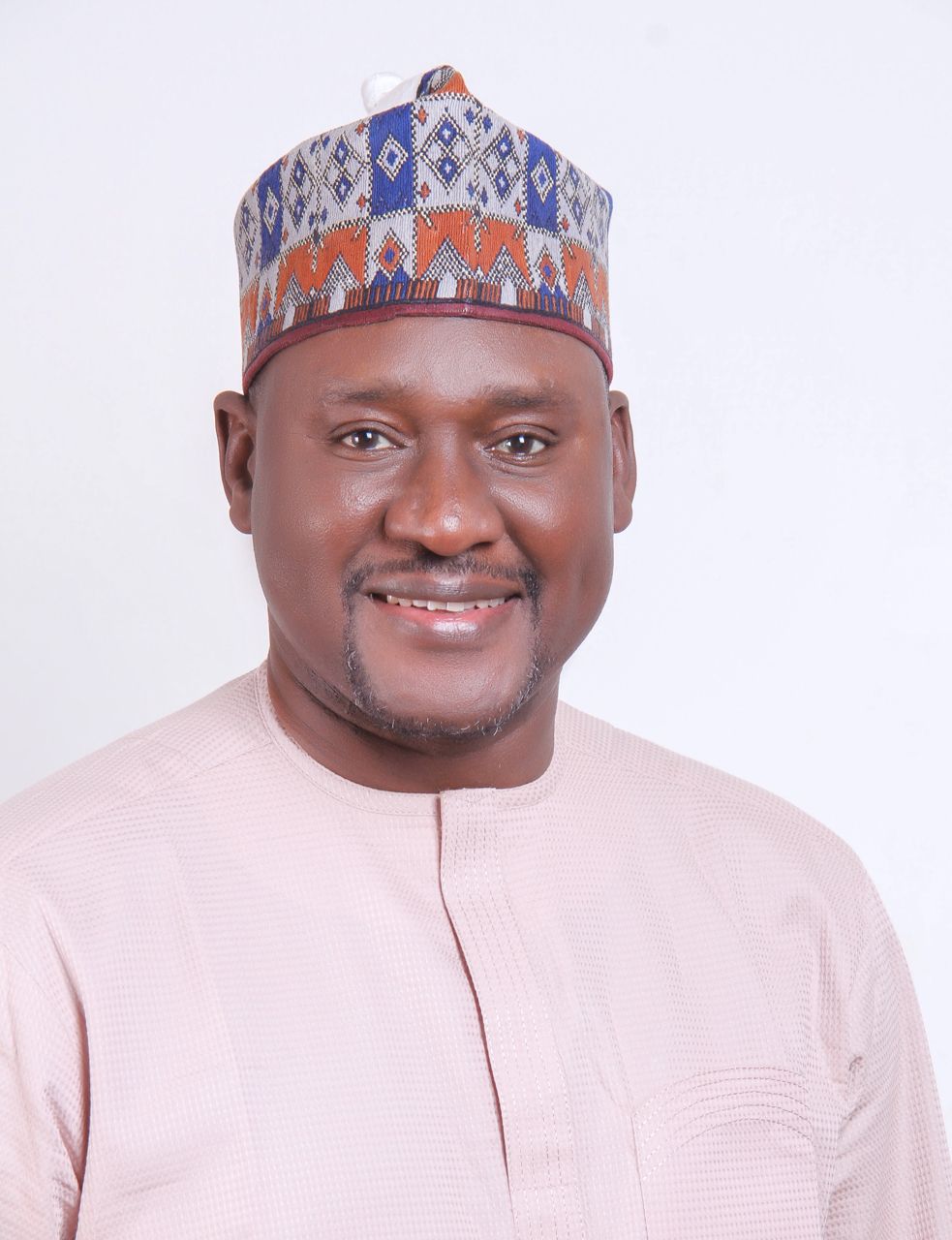
Executive Director of the Civil Society Legislative Advocacy Centre (CISLAC) and Head of Transparency International Nigeria, Auwal Ibrahim Musa Rafsanjani, has raised concern over Africa’s worsening fiscal crisis, urging urgent reforms in global financial governance and sustainable debt management across the continent.
Speaking at the 2025 Annual Meetings of the International Monetary Fund (IMF) and the World Bank in Washington D.C., Rafsanjani described Nigeria’s current debt trajectory as “unsustainable and reckless,” lamenting that most borrowings were being channeled into recurrent expenditure rather than productive, growth-driven investments.
“Most of the loans we take are not for development but for consumption,” Rafsanjani said during an interview on The Policy with Leah, a Nigerian current affairs programme.
“There is little or no accountability around them. Civil society must be part of the monitoring process, especially when even lawmakers are denied full disclosure.”
He reiterated his support for debt cancellation where borrowed funds have failed to deliver measurable development outcomes.
Aligning with recent statements from the G24 Group of Developing Nations, Rafsanjani described Africa’s debt crisis as a “trap” rooted in weak governance, corruption, and illicit financial flows.
Rafsanjani also endorsed ongoing global civil society campaigns advocating for reforms at the IMF and the World Bank, faulting the disproportionate influence of powerful nations on their governance structures.
He called for greater transparency, inclusiveness, and fairness in global financial decision-making, emphasizing that international institutions must reflect the realities and voices of developing economies.
Turning to Nigeria’s domestic economy, Rafsanjani expressed concern over the country’s overdependence on oil, deteriorating infrastructure, and rising insecurity, factors which, he said, continue to repel foreign investment.
He also criticized government policies such as the withdrawal of subsidies in healthcare, education, and transportation, arguing that such actions have deepened poverty.
“It is ironic that while developed countries continue to subsidize critical sectors, we are removing support for the poor under the guise of reforms,” he said.
Rafsanjani emphasized the need for strategic investments in science, technology, and education, warning that Nigeria risks falling behind in the global digital economy without deliberate investments in innovation and research.
“Without quality and affordable education, our youths cannot compete in the digital economy,” he said.
“Our universities are underfunded, research is neglected, and laboratories are non-functional. Professors and lecturers are struggling to survive.”
He further urged governments at all levels to leverage Artificial Intelligence (AI) to improve accountability and transparency in public spending.
According to him, AI technologies can strengthen fiscal monitoring, automate auditing, and enhance early detection of financial leakages.
On fiscal federalism, Rafsanjani advised state governors to boost internally generated revenue (IGR) rather than depend solely on allocations from the Federation Account Allocation Committee (FAAC).
He insisted that the recent increase in FAAC disbursements must translate to tangible benefits for citizens rather than “elephant projects” designed to enrich political elites.
“Fuel subsidy savings must be transparently accounted for,” he said.
“These funds belong to the people and must be used to improve healthcare, education, and infrastructure—not to finance luxury for a few.”
Rafsanjani also decried the high cost of governance in Nigeria, condemning the extravagant lifestyles of public officials compared to their counterparts in developed countries.
“You cannot seek development assistance from abroad while living lavishly at home,” he said. “Ministers abroad fly economy class, but in Nigeria, one official moves with 20 cars. That level of waste is unsustainable.”
He concluded by urging African leaders to prioritize sustainable financing, institutional accountability, and human capital development, warning that without structural reforms, the continent risks remaining perpetually dependent and debt-burdened.
Rafsanjani’s remarks add to a growing chorus of civil society voices demanding a fairer and more transparent global financial system as policymakers deliberate on the economic challenges confronting the Global South.