By Abdullahi Alhassan, Kaduna
The Civil Society Legislative Advocacy Centre (CISLAC) has paid tribute to the late former Nigerian President, Muhammadu Buhari, reflecting on his leadership legacy and underscoring the critical lessons it offers for future governance in Nigeria.
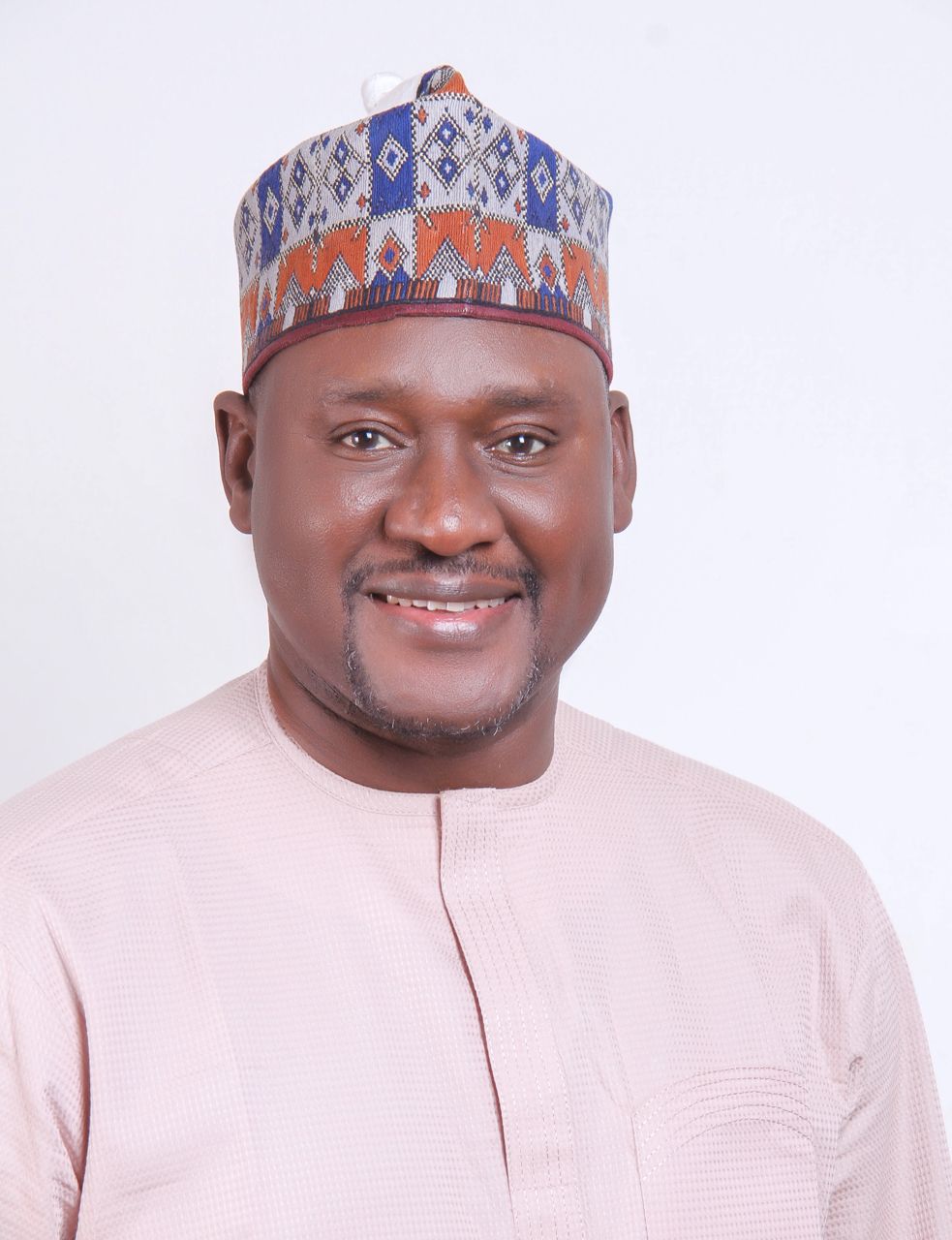
In a condolence statement released on Sunday, Comrade Auwal Musa Rafsanjani, Executive Director of CISLAC and Head of Transparency International Nigeria, expressed deep sorrow over the former president’s passing and offered prayers for his eternal rest.
“May his soul rest in peace. Nigerians will particularly remember him for his early leadership as a military head of state, notably for launching the War Against Indiscipline (WAI),” Rafsanjani stated.
He recalled how the WAI initiative instilled a culture of civic responsibility and discipline among citizens—promoting punctuality, orderly conduct in public spaces, and respect for national symbols.
“During that era, there was a clear sense of civic order. People went to work on time, queued in public places, and proudly displayed the national flag. These were powerful expressions of patriotism and responsibility,” he added.
However, Rafsanjani acknowledged that Buhari’s early regime also attracted criticism over human rights concerns, a legacy that continued to shape perceptions even after his return as a democratically elected president in 2015.
Buhari’s ascension to civilian leadership was initially met with widespread optimism, both locally and internationally, with high expectations that he would tackle key national issues such as insecurity, corruption, and unemployment.
“There was immense hope that his leadership would usher in significant reforms,” Rafsanjani noted. “But as his administration progressed, particularly during his second term, public confidence declined, as many of the anticipated changes remained unrealized.”
While recognizing Buhari’s integrity and global reputation, CISLAC pointed to internal political challenges and influence from key figures within his administration as factors that undermined policy implementation and reform efforts.
“He had a clear vision and good intentions. But leadership requires more than vision—it demands execution, accountability, and the ability to manage competing interests effectively,” Rafsanjani stressed.
He emphasized that Buhari’s leadership, particularly his anti-corruption stance and early emphasis on discipline, significantly shaped national conversations around governance and public ethics.
CISLAC and other civil society organizations, he said, engaged constructively with his administration on issues of institutional reform and transparency.
In conclusion, Rafsanjani urged current and future Nigerian leaders to draw from Buhari’s experiences and commit to leadership that prioritizes national interest, citizen welfare, and sustainable development.
“The legacy of any leader is defined not just by intentions, but by the impact and integrity of their governance. May Allah grant President Muhammadu Buhari eternal rest. Ameen.”