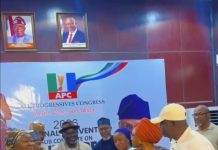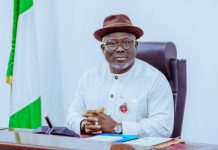
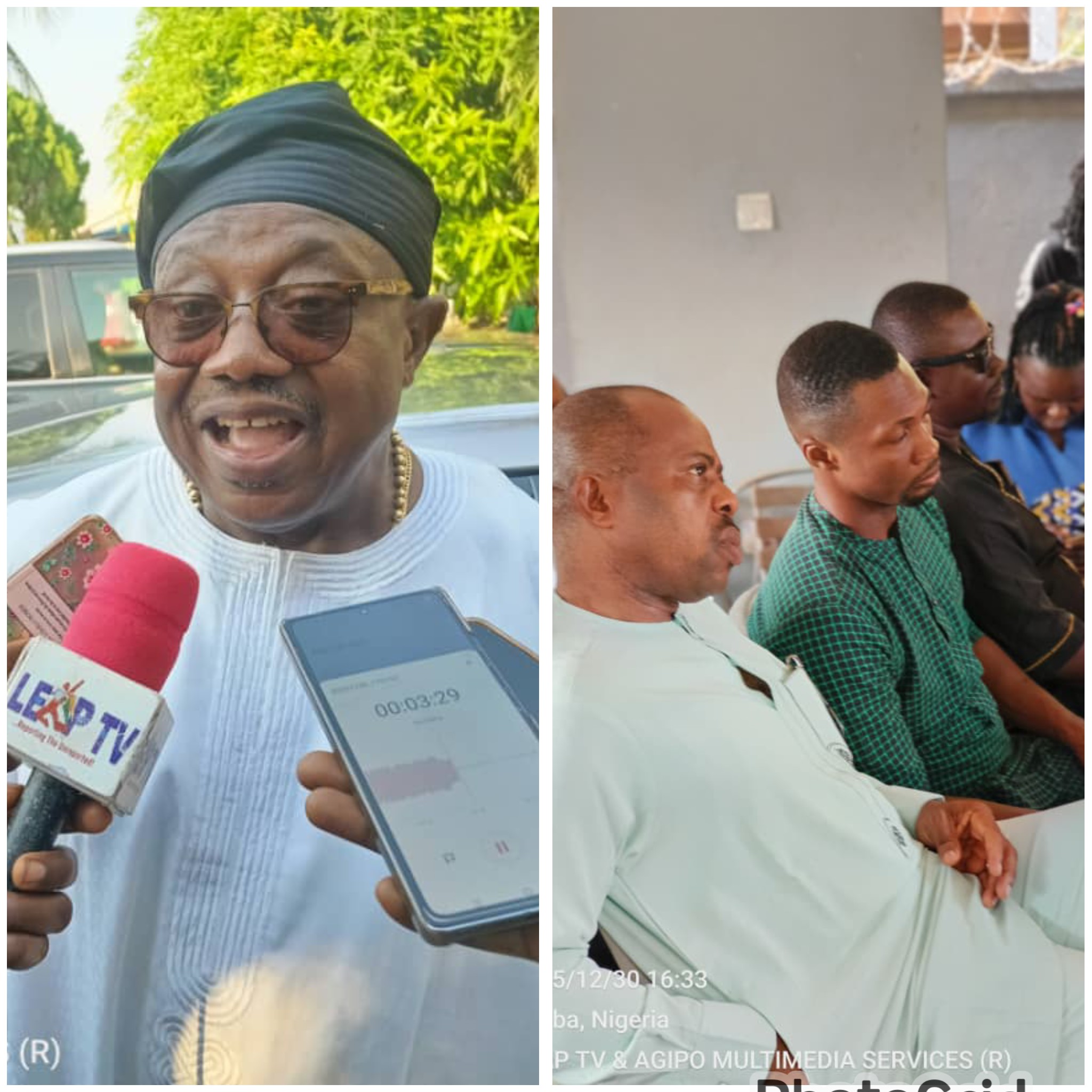
In a rare, frank, and far-reaching engagement with youths and community stakeholders, the Member representing Aniocha/Oshimili Federal Constituency in the House of Representatives, Rt. Hon. Ngozi Okolie has reaffirmed his commitment to people-centred governance, outlining his legislative strides, constituency interventions, and the realities shaping project execution at the federal level.
Speaking at a stakeholders’ meeting that drew youth leaders and community representatives from across the constituency on Tuesday December 30, 2025, at his residence in Asaba, the Delta State capital, the federal lawmaker said his guiding philosophy since assuming office has been simple but firm: touch as many communities as possible and pursue projects that deliver lasting, collective value.
Legislative Footprints with National Impact
He disclosed that since inauguration, he has sponsored and supported no fewer than nine bills and several motions addressing critical national and constituency concerns.
Among them is a bill seeking to halt arbitrary increases in loan interest rates, particularly protecting Nigerians who obtained loans before sudden policy shifts that pushed rates as high as 18 per cent.
Also highlighted was an ongoing bill to upgrade Asaba Federal College of Education (Technical), to a full-fledged University, a move expected to expand access to higher education, boost employment, and stimulate local economic growth.
In the same vein, he revealed legislative efforts aimed at attracting Toyota to establish an assembly plant in Nigeria, rather than limiting the country to being merely a consumer market, an initiative that could unlock thousands of jobs if realised.
Infrastructure over Tokenism
Rejecting what he described as “short-term empowerment optics,” the lawmaker explained his preference for infrastructure-driven interventions over one-off distributions of motorcycles or tricycles that benefit only a few.
“It is better to build hospitals, classrooms, roads and water projects that serve entire communities than to empower a handful of people and offend many others,” he said.
In this regard, he listed several interventions including:
Construction and furnishing of classroom blocks in multiple communities, provision of desks, chairs, and learning materials to public schools, ongoing efforts on water projects, including the, Ogwashi-Uku water scheme, pavilion structures and community facilities, planned community hospital projects, with land already provided by host communities.
Youth Empowerment and Human Capital Development
The lawmaker also detailed extensive skills acquisition and empowerment programmes, noting that over 200 youths from various local governments have been trained in vocational skills ranging from catering, baking, soap making, to small-scale enterprise development.
Beneficiaries, he said, were supported with starter funds to help them transition into self-reliance.
Additionally, he confirmed that over 300 students had benefited from scholarship support in the past, alongside agricultural interventions such as fertiliser distribution to farmers, aimed at boosting food production and rural livelihoods.
Constituency Projects: Clearing the Air
Addressing concerns about the pace of constituency projects, the lawmaker offered a detailed explanation of how such projects work, stressing that no constituency funds are paid directly to lawmakers.
According to him, projects are embedded in the national budget and executed through federal ministries and agencies, with contracts awarded and paid for by those agencies.
He noted that many projects approved before the current Assembly began were inherited, and lawmakers could only pressure contractors to return to site.
He further revealed that delays experienced during the 2024 cycle were largely due to non-payment of contractors, a situation that stalled works nationwide.
However, with recent assurances that outstanding payments are being addressed, he expressed optimism that abandoned and pending projects will soon resume across the constituency.
Call for Stronger Youth Engagement
The interactive session also gave room for candid feedback from youth leaders, many of whom applauded the lawmaker’s reach across communities but called for more frequent engagement, better information flow, and stronger inclusion of youth leadership structures in project nomination and empowerment processes.
In response, the lawmaker welcomed the feedback, acknowledging that the meeting marked his first large-scale engagement with youth leaders as a collective, and pledged to institutionalise periodic consultations going forward.
“Modern politics demands constant engagement. Youth leaders are the bridge to the grassroots, and we must work together,” he assured.
Looking Ahead
Concluding the session, the lawmaker reiterated that his doors remain open, promising to visit any local government or community with just two days’ notice, preferably on weekends.
He urged stakeholders to judge his tenure not by rumours but by verifiable projects and policies already set in motion.
As the meeting ended, one message rang clear: the journey may be challenging, but the resolve to connect policy with people remains firm and for many in attendance, the conversation had only just begun.