By Abdullahi Alhassan, Kaduna
A citizens’ group has expressed strong support for President Bola Ahmed Tinubu’s oil and gas sector reforms, describing them as bold, necessary, and strategic steps toward securing Nigeria’s long-term economic stability despite the short-term discomfort they may cause.
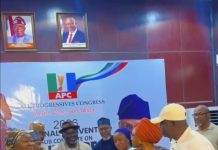
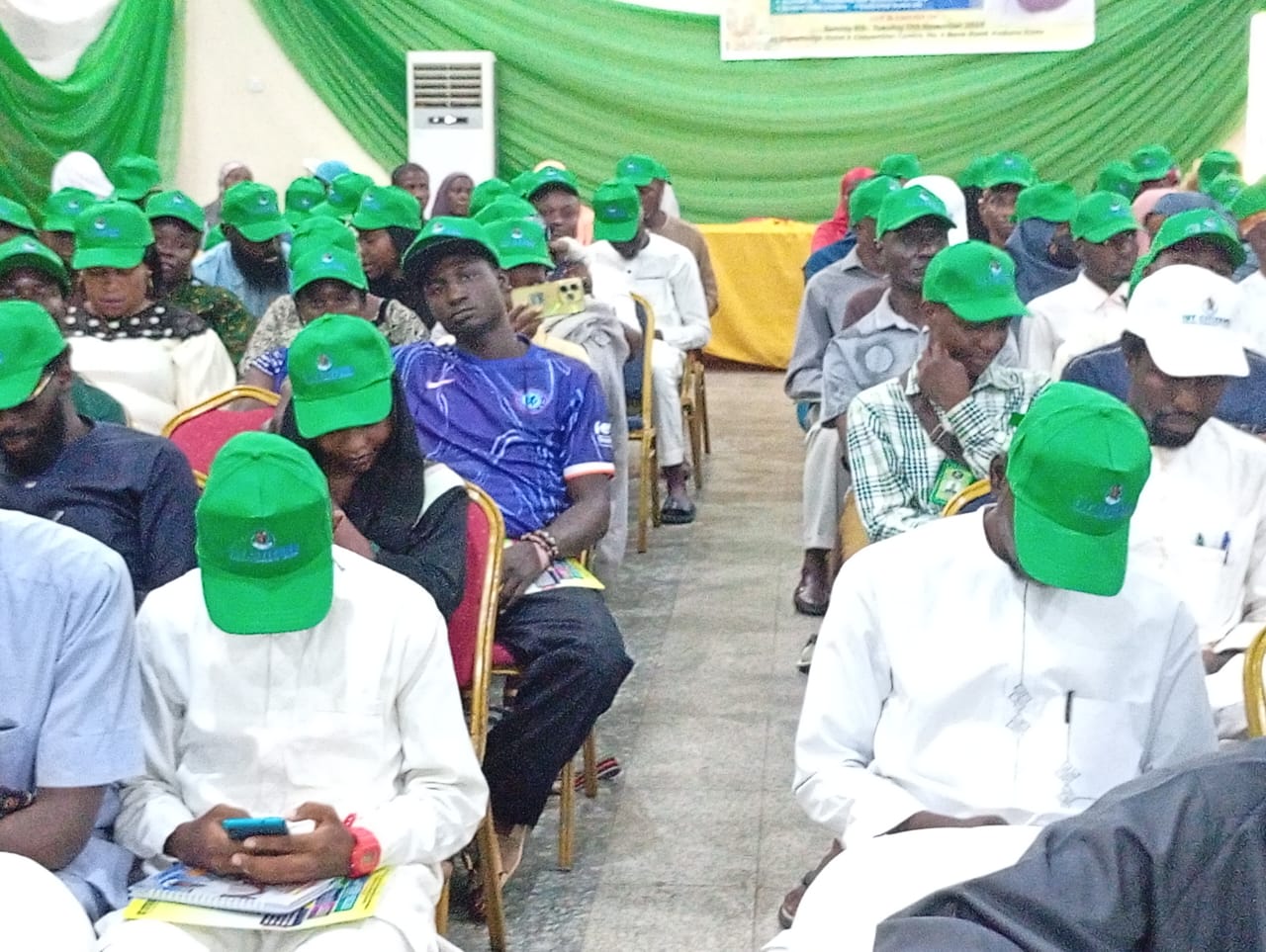
Speaking in Kaduna on Monday at the 1st Citizens Engagement Conference (North-West Edition) themed “The Positive Impacts of Oil and Gas Reforms by President Ahmed Bola Tinubu Administration,” the Co-Convener, Mallam Nasir AbdulQuadri, said the reforms reflected the administration’s “uncommon courage and commitment” to repositioning the petroleum industry for sustainable growth.
AbdulQuadri commended the implementation of the Petroleum Industry Act (PIA) 2021 and the removal of fuel subsidy, describing them as pivotal to the “legal, fiscal, and institutional rebirth” of Nigeria’s oil and gas sector.
While acknowledging the temporary economic challenges arising from the policy changes, he noted that deregulation had opened the door for private investment, refinery rehabilitation, and modular refining.
He further highlighted that the establishment of the Nigerian Upstream Petroleum Regulatory Commission (NUPRC) and the Nigerian Midstream and Downstream Petroleum Regulatory Authority (NMDPRA) had improved oversight, accountability, and operational efficiency in the sector.
AbdulQuadri also underscored the growing importance of gas as a transitional energy source, adding that the Host Community Development Trusts (HCDTs) introduced under the PIA were already enhancing development and inclusion among oil-producing communities.
He called on Nigerians to demonstrate unity and collective responsibility in supporting the reforms, urging citizens to act as “co-authors of progress rather than detached observers.”
“For reforms to truly succeed, Nigerians must see themselves as participants in progress, not passive critics,” AbdulQuadri said, cautioning against external and internal influences that could exploit national divisions.
He clarified that his call for unity was not a plea for “blind loyalty,” but a reminder that responsible citizenship involves holding leaders accountable with wisdom, civility, and a shared sense of purpose.
AbdulQuadri concluded by reaffirming faith in Nigeria’s capacity to evolve through reform, urging citizens to “guard our sovereignty with wisdom, drive change with unity, and sustain hope with discipline.”