
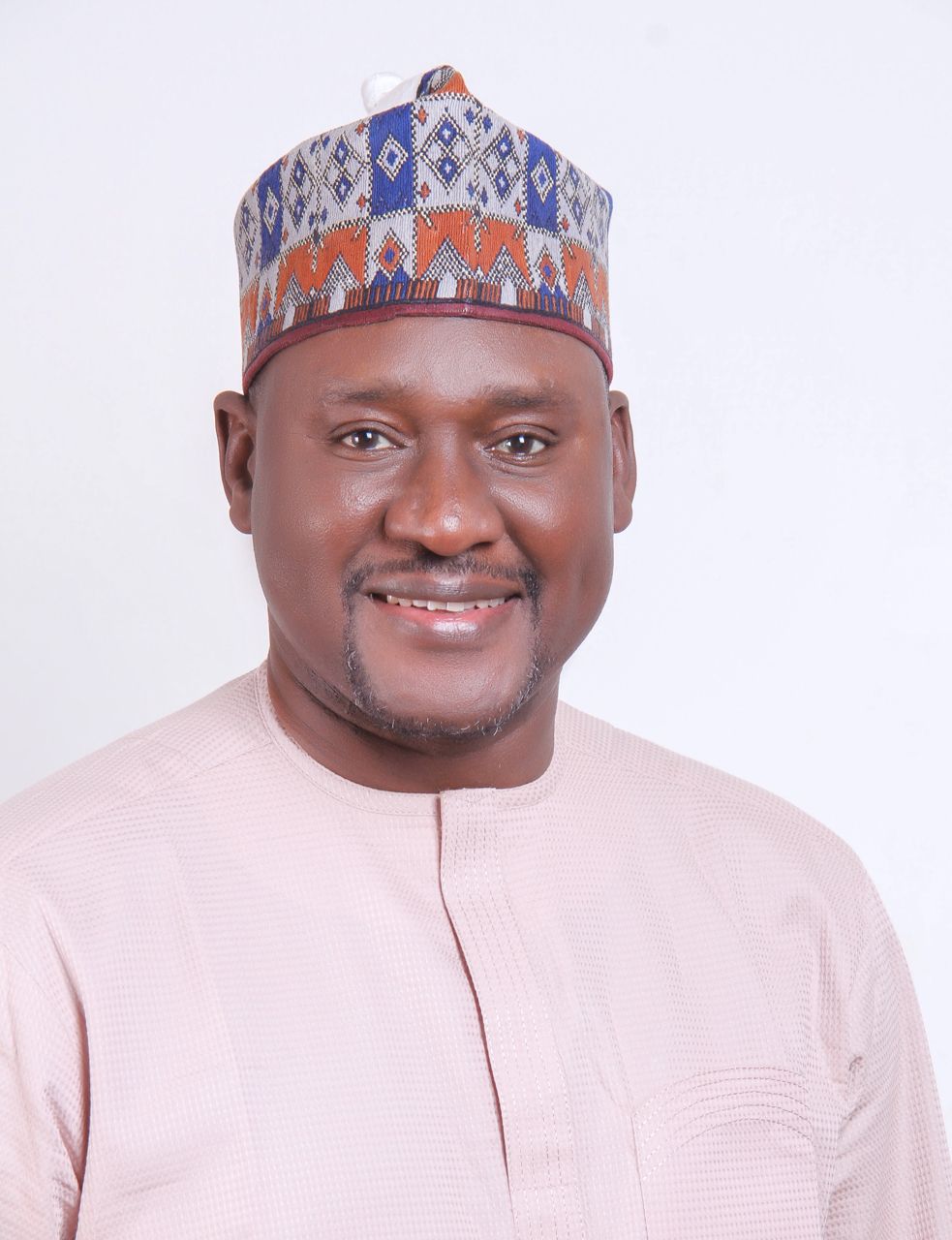
By Abdullahi Alhassan, Kaduna
The Civil Society Legislative Advocacy Centre (CISLAC), the Nigerian chapter of Transparency International, has raised alarm over the escalating insecurity across the country, particularly the repeated attacks on schoolchildren and the growing pressure on Nigeria’s security institutions.
In a statement issued by CISLAC’s Executive Director and Head of Transparency International (Nigeria), Auwal Musa Rafsanjani, the organisation condemned what it described as an “uncoordinated and politicised” approach to national security.
According to him, the government’s current strategy is worsening instability and leaving citizens, especially children, increasingly vulnerable to preventable threats.
Rafsanjani highlighted the overstretching of the Nigerian Army, which he noted remains deployed in almost every state despite constitutional provisions assigning primary responsibility for internal security to the Nigeria Police Force, the Nigeria Security and Civil Defence Corps (NSCDC), and the Department of State Services (DSS).
He traced the crisis to years of neglect, inadequate equipment, poor welfare, and limited collaboration among security agencies, compounded by corruption within the sector.
The CISLAC chief condemned the recent abductions in Kebbi State and the kidnapping of pupils of St. Mary’s Catholic Primary and Secondary Schools in Niger State, describing the incidents as direct attacks on education and on the future of Nigerian children.
He warned that such incidents further worsen the country’s already troubling out-of-school children statistics and compromise children’s safety and dignity.
Rafsanjani also criticised the widespread deployment of police officers to politicians and private individuals, noting that the practice deprives communities and schools of needed security.
He argued that the commercialisation of police roadblocks has turned security checkpoints into centres of extortion rather than protection, and urged the dismantling of such roadblocks in favour of redeploying officers to strategic, high-risk areas.
Expressing concern over the rising politicisation of law enforcement, he pointed to recent incidents in Abuja where police personnel were seen aligning with opposing political groups.
He also faulted the heavy allocation of police officers to individuals in positions of influence while communities remain exposed, describing it as evidence of weakened leadership and a catalyst for unruly political conduct.
CISLAC and Transparency International (Nigeria) called for sweeping reforms in the security sector, with emphasis on accountability, intelligence-driven operations, modern equipment, improved welfare, professionalism, and stronger coordination among agencies.
Rafsanjani urged government to adopt robust early warning and early response systems, stressing that many incidents occur despite clear indicators of impending attacks.
He further questioned the impact of the Nigeria–U.S. Bi-National Commission, a platform meant to foster cooperation on security, governance, and economic growth, arguing that Nigeria must first address internal governance and security deficiencies before expecting external partnerships to yield meaningful benefits.
Rafsanjani also faulted the rising culture of political defections and lavish celebrations, often funded with public resources, at a time when many Nigerians are being kidnapped, displaced, or killed.
He described the trend as insensitive and reflective of a deeper leadership problem.
The statement urged the federal government, security agencies, community leaders, civil society organisations, and international partners to work together to secure the release of abducted schoolchildren in Kebbi and Niger States, prevent further attacks, and implement urgent reforms aimed at restoring professionalism and rebuilding public confidence.
Rafsanjani warned that Nigeria cannot continue operating with weak, fragmented security structures, stressing that decisive, coordinated action is essential to safeguard the lives, dignity, and future of citizens.