
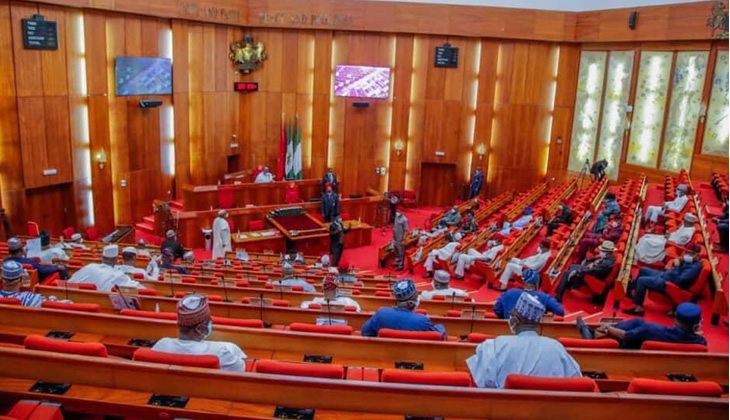
The Nigerian Senate has approved the creation of 12 new states across the federation, signaling a dramatic reconfiguration of Nigeria’s political and administrative map.
The decision, ratified after the third and final reading of the report by the Senate Committee on State Creation, marks the most sweeping alteration to the country’s state structure since 1996.
It reflects a deliberate effort by the upper legislative chamber to address long-standing cries for equity, justice, and grassroots governance from various ethnic and regional blocs.
The newly approved states and their respective origins are as follows:
South West:
Ijebu (from Ogun State)
Ibadan (from Oyo State)
South East:
Anim (from parts of Anambra and Imo States)
Adada (from Enugu State)
South South:
Toru-Ibe (from parts of Ondo, Edo, and Delta States)
Obolo (from Akwa Ibom State)
North East:
Savanna (from Borno State)
Amana (from Adamawa State)
North West:
Tiga (from Kano State)
Gurara (from Southern Kaduna)
North Central:
Okura (from Kogi State)
Apa (from Benue State)
A New Chapter in Federalism
The Senate hailed the development as a strategic step toward promoting national integration, correcting structural imbalances, and enhancing access to governance and development at the grassroots.
“This is not just about new names on the map,” a senior lawmaker said during the session.
“It is about recognizing the voices that have long been ignored and giving them a legitimate platform within the federation.”
Path to Implementation
The legislative approval will now trigger the next phase of constitutional and administrative formalities, including assent by the President, potential referendums in the affected areas, and eventual publication of a federal gazette outlining governance frameworks for the new states.
Analysts say this move could open the floodgates for further state creation demands, even as debates continue over the economic viability and political implications of expanding Nigeria’s 36-state structure to 48.
Nonetheless, today’s Senate resolution is widely seen as a landmark gesture toward deeper federalism and responsive governance in Africa’s most populous country.