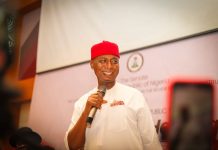
Senator Ned Nwoko has called on the Nigerian media to rise above routine coverage and assume a courageous, transformative role in the nation’s fight against corruption, which he described as a profound threat to democracy, governance, and national development.
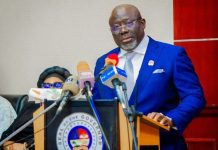
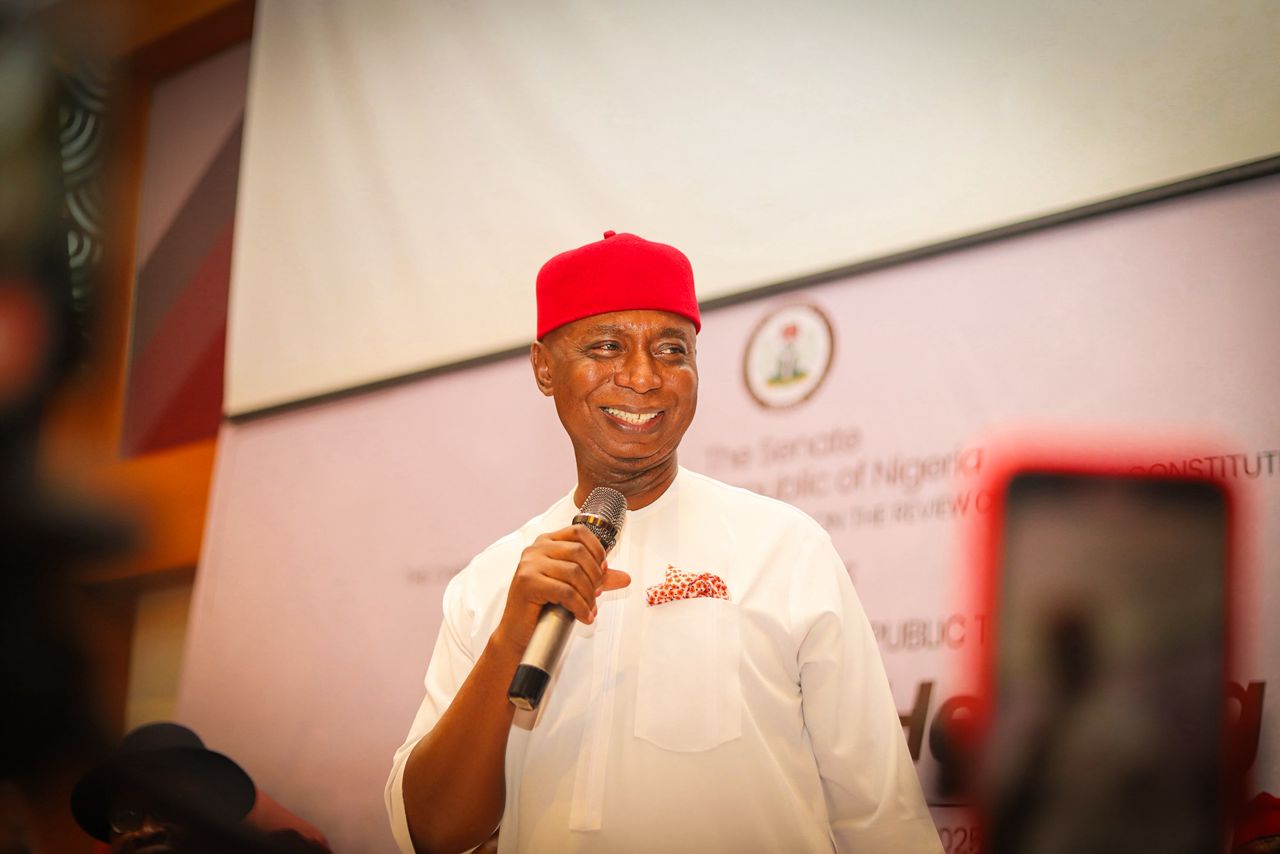
Represented by his Director of Communications, Gloria Okolugbo, Nwoko delivered the charge at the 12th Annual Conference and AGM of the Association of Communication Scholars and Professionals of Nigeria (ACSPN), held at MBB Events Centre, Effurun, Delta State.
The conference, themed “Corruption, Governance and Media in Nigeria”, convened scholars and practitioners from across the country.
“The media has rightly been called the fourth estate of the realm. It is the conscience of the nation — a mirror reflecting governance as it is, and a lamp illuminating the path forward,” Nwoko stated.
The lawmaker lamented that corruption has gravely undermined Nigeria’s democratic institutions, distorted governance processes, and eroded public trust, leaving a legacy of disillusionment, inequality, and stagnation.
He emphasized that the media cannot remain passive in the face of such systemic decay.
Nwoko urged journalists and communication professionals to embrace investigative reporting that exposes hidden networks of corruption and sustains pressure until accountability is achieved.
He added that when deliberately structured, communication could serve as a powerful tool for cultural reorientation, civic education, and social transformation.
“Communication, when principled, goes beyond transmitting information. It becomes a force for reshaping attitudes, reinforcing values of integrity, and redirecting the moral compass of the nation,” he said.
The senator further tasked media practitioners with enlightening citizens on their rights and responsibilities, promoting transparent leadership, and helping to build a culture where corruption is universally condemned.
Commending ACSPN for sustaining critical conversations on governance and accountability, Nwoko expressed confidence that the conference would inspire practical strategies to strengthen Nigeria’s anti-corruption framework.
“The struggle against corruption cannot be left to government alone; it is a collective undertaking. The media must illuminate, interrogate, and inspire,” he concluded.