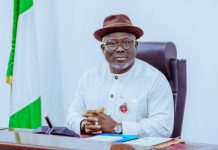
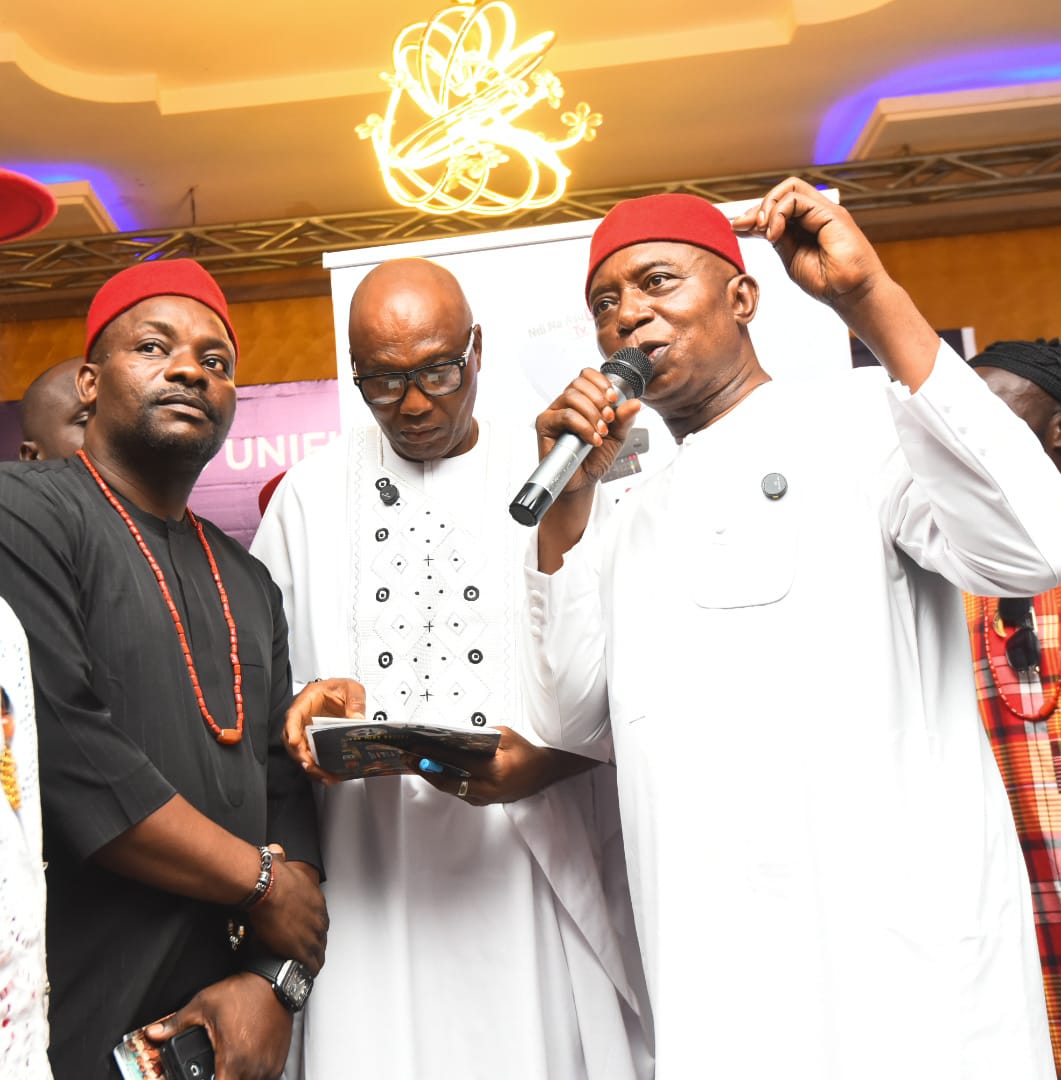
Senator Ned Nwoko, representing Delta North, has urged the Anioma people to fully embrace their Igbo heritage and strengthen ties with Igbo-speaking communities across Nigeria to build a more united and cohesive nation.
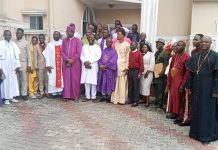
The lawmaker made the call on Friday in Asaba while speaking at the Igbo Unification Movement organized by the Ndi na Asu Bia Socio-Cultural Organization, in collaboration with Ogbako-Igbo Zara Igbo Oru na Ndida. The event, themed “Igbo Bu Ofu” (Igbos are One), brought together advocates of cultural and political unity for Igbo-speaking groups, including Anioma in Delta State and Igbanke in Edo State.
Highlighting the historical and cultural commonalities of these communities, Senator Nwoko stressed that reclaiming a collective Igbo identity was vital for political relevance, cultural revival, and correcting years of identity distortion.
“As a historian, I know our roots. Anioma is undeniably Igbo,” Nwoko declared. “It is time to reject divisive narratives and reconnect with our brothers across the Niger.”
The senator, who recently sponsored a bill seeking the creation of Anioma State, emphasized that the struggle went beyond partisan politics, describing it as a matter of justice and identity.
“I have no ambition to be governor. My dream is to see an Ndokwa son or daughter lead Anioma State, with Asaba as its capital,” he stated, noting that his vision aligns with Ohanaeze Ndigbo’s recognition of Anioma as an integral part of the Igbo nation.
Recalling the Nigerian Civil War, Nwoko said Anioma communities were subjected to ethnic persecution, which forced many to deny their Igbo roots.
He called for truth and reconciliation, commending scholars such as Professor Abigail Ogwezzy for research affirming Anioma’s linguistic and cultural identity as Igbo.
“The Igbo identity is universal, whether in Delta, Imo, or Abia,” he said, comparing it to the enduring sense of belonging within the global Chinese community.
Nwoko further urged cultural and socio-political organizations to intensify their advocacy, mobilize support for Igbo unity, and work toward the actualization of Anioma State.
His remarks, coming amid renewed conversations around Igbo solidarity, highlight growing demands for political restructuring and recognition of Anioma as a central part of the Igbo story.