By Austin Oyibode
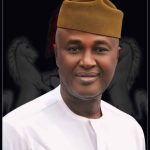
Senator Ned Nwoko, Chairman of the Senate Ad-Hoc Committee on Crude Oil Theft, is intensifying national efforts to curb one of Nigeria’s most pressing economic threats, crude oil theft, through strategic engagements with key regulatory agencies and international allies.
On August 1, 2025, Senator Nwoko held crucial meetings with Engr. Babajide Fashina, Deputy Director and Head of Planning at the Nigerian Upstream Petroleum Regulatory Commission (NUPRC), and Mrs. Ngozi Nwankwo, Director at the Nigerian Midstream and Downstream Petroleum Regulatory Authority (NMDPRA).
He was joined by Mr. Bernardino Ferrer, his Spanish counterpart, as discussions centered on enhancing foreign direct investment and reinforcing regulatory collaboration to safeguard Nigeria’s energy infrastructure.
“These engagements reflect our commitment to building a secure, transparent, and investor-friendly petroleum industry,” Senator Nwoko stated.
He underscored the urgency for collective action, noting that synergy among regulators, lawmakers, and international partners is essential to tackle oil theft and restore investor confidence in Nigeria’s oil sector.
Crude oil theft continues to drain the national economy, with estimated losses reaching up to 200,000 barrels per day, exceeding the total output of several smaller oil-producing nations.
While recent figures from NUPRC suggest a decline in theft to around 5,000 barrels per day in early 2025, a 58.3% reduction compared to prior periods, Senator Nwoko cautioned that broader losses, including unaccounted and indirect theft, remain a significant threat to national revenue and energy security.
The federal response has seen growing momentum. Since June 2023, the Nigerian Navy has intercepted 76 vessels involved in oil theft and recovered over 171,000 barrels of stolen crude along with millions of liters of illegally refined products.
In May 2025 alone, security forces dismantled 19 illegal refining sites, arrested 20 suspects, and seized nearly 600,000 liters of stolen petroleum.
To further disrupt theft operations, the federal government has rolled out 37 new evacuation routes aimed at improving surveillance and complicating illegal access to pipelines.
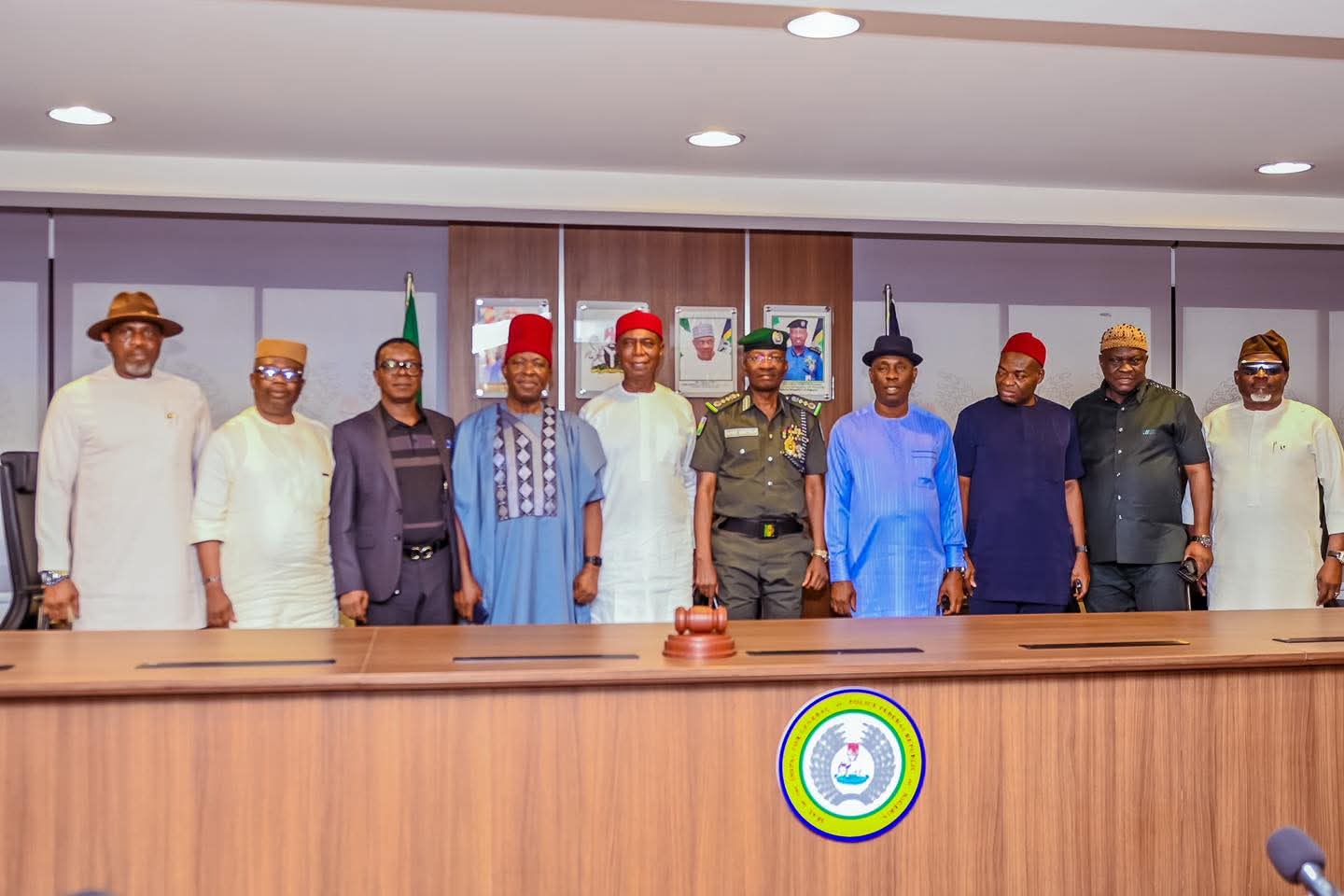
Earlier in the week, the Senate Committee on Oil Theft met with the Inspector General of Police, Kayode Egbetokun, to develop a unified national enforcement strategy.
The collaboration signals a whole-of-government approach to dismantling criminal syndicates and protecting critical national assets.
Beyond immediate enforcement, Senator Nwoko is advocating for long-term structural reforms. His proposals include stiffer penalties for oil theft, improved traceability of crude oil movements, deeper community engagement in protecting oil installations, and the deployment of forensic financial analysts to trace stolen crude across international markets.
During his session with NMDPRA officials, Nwoko emphasized the need to close regulatory gaps across the petroleum value chain.
He stressed that addressing systemic inefficiencies and improving monitoring mechanisms are vital to attracting credible international investors who have long been deterred by insecurity and regulatory opacity.
The presence of Mr. Ferrer at the high-level meetings signaled growing international interest in Nigeria’s energy reforms.
Although details of any formal partnerships remain under wraps, the message was clear: Nigeria is actively seeking reliable global allies to help secure its oil assets and restore its reputation in the global energy market.
Despite these strides, persistent challenges remain. The Nigerian Economic Summit Group has warned that aging infrastructure, pipeline vandalism, and weak enforcement continue to undermine the sector’s growth.
Still, with increased cooperation between government, military, and legislative actors, Senator Nwoko believes Nigeria is on the brink of a breakthrough.
“Progress is real, but fragile,” he remarked. “We must act boldly and consistently to safeguard our national resources and unleash the full potential of our energy sector.
The decisions we take in the coming months will shape the trajectory of Nigeria’s economic future.