
By Akpowene Ure, Sapele
A wave of discontent is brewing among Point of Sale (POS) operators in Sapele, Delta State, following the introduction of new levies and identification requirements by local council authorities — measures they claim are deepening their financial struggles amid the harsh economic climate.
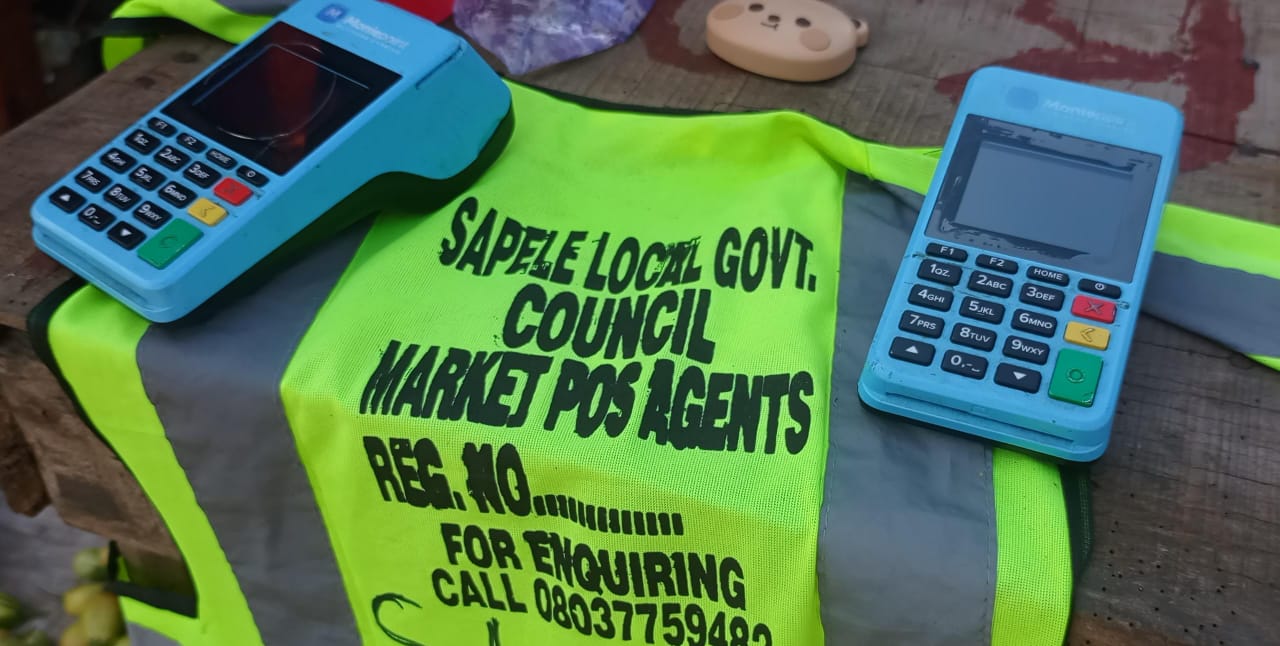
According to several operators who spoke with journalists, the new directives mandate the purchase of a uniform at ₦5,000, a sticker at ₦1,500, and a weekly ticket fee of ₦400. They lamented that these costs have significantly eroded their already slim profit margins.
One operator, a graduate of Delta State University, said she ventured into the POS business after years of unsuccessful job hunting but now faces an uncertain future.
“I took a loan of ₦100,000 to start this business. With these new levies, it’s becoming almost impossible to make a profit,” she said, visibly distressed.
“Some days, I barely get customers, yet I still have to pay for tickets and other charges. It’s really discouraging.”
Another operator described the situation as “a case of pay or shut down,” alleging that enforcement agents now monitor compliance in the markets and around business areas.
“Without the uniform, sticker, and ticket, you can’t operate,” he explained. “This business started with ₦200,000, but my working capital has dropped to ₦140,000 because of these constant deductions. It’s frustrating.”
Some traders who initially dismissed the reports said they were shocked when local officials began visiting business premises to enforce the policy. They called on the council to reconsider the decision in light of the prevailing economic realities.
“We’re not against regulation,” one operator added.
“We only want the council to understand that small businesses are already struggling. Adding new fees now will push many of us out of work.”
Efforts to reach the Chairman of Sapele Local Government Council for comments were unsuccessful at press time, as calls to his mobile line went unanswered.
Meanwhile, residents and local business groups have appealed to the council to engage POS operators in dialogue and seek a more balanced approach to regulation.
“These are young entrepreneurs trying to survive in difficult times,” a community leader remarked. “Government should be helping them grow, not burdening them further with unnecessary levies.”
As the debate continues, many small business owners in Sapele fear that without an urgent review of the policy, the once-thriving POS sector, a lifeline for cash access and youth employment, could face serious decline.