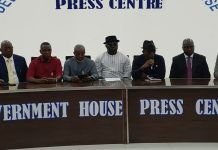
The Niger Delta Civil Society Forum (NDCSF), a coalition of organisations drawn from Delta, Edo, Akwa Ibom, Rivers, Bayelsa, Cross River, Ondo and other states in the oil-rich region, has strongly condemned the disbursement of N141.36 billion in 13% derivation funds to state governments in the October 2025 revenue allocation.
The group described the long-standing practice as “unconstitutional, unjust, and detrimental to the welfare of oil-producing communities.”
In a statement signed by its Coordinator, Comrade Ezekiel Kagbala, and made available to journalists, the Forum argued that Section 162(2) of the 1999 Constitution clearly establishes the 13% derivation as compensation for communities that bear the burden of environmental degradation, land depletion, pollution and loss of livelihoods resulting from oil, gas and mineral exploration.
The NDCSF expressed deep dissatisfaction that, despite decades of alleged mismanagement and lack of transparency by state governments, derivation funds continue to be transferred to them rather than directly to the communities for whom they were constitutionally intended.
It lamented that oil-producing communities remain impoverished and underdeveloped while the funds meant for their welfare are diverted to projects unrelated to their needs.
The Forum’s remarks followed the Federation Account Allocation Committee’s (FAAC) announcement that a total of N2.094 trillion was shared for October 2025, including N141.359 billion as 13% derivation from mineral revenue paid to oil-producing states.
According to the NDCSF, “nowhere in the Constitution is it stated that the funds must be paid to state governments or routed through them.”
The Forum noted that even after more than 30 years of this payment arrangement, most oil-bearing communities still lack basic amenities.
“There are no roads, no water, no hospitals, no youth employment, nothing to justify the trillions paid over the years,” it stated.
It further described the continuous payment of derivation funds to state governments as “a gross violation of the socio-economic rights of host communities,” accusing the states of using the funds to settle debts, develop state capital projects or advance political interests, while neglecting the people for whom the funds were created.
According to the NDCSF, “the 13% derivation fund is not a bailout for state governments, nor is it meant to reduce their debt burdens. The funds belong to the oil-producing communities.
It is unacceptable that those who suffer the destructive impact of oil and gas exploration continue in pain while their rightful compensation is diverted.”
As part of efforts to address the issue, the Forum, in collaboration with host community leaders, submitted a formal position paper to the Revenue Mobilisation Allocation and Fiscal Commission (RMAFC) in Abuja on Tuesday, November 16, 2025.
The group demanded the full legal implementation of the 13% derivation principle and called for the establishment of Derivation Boards in all oil-producing states to ensure transparency and accountability.
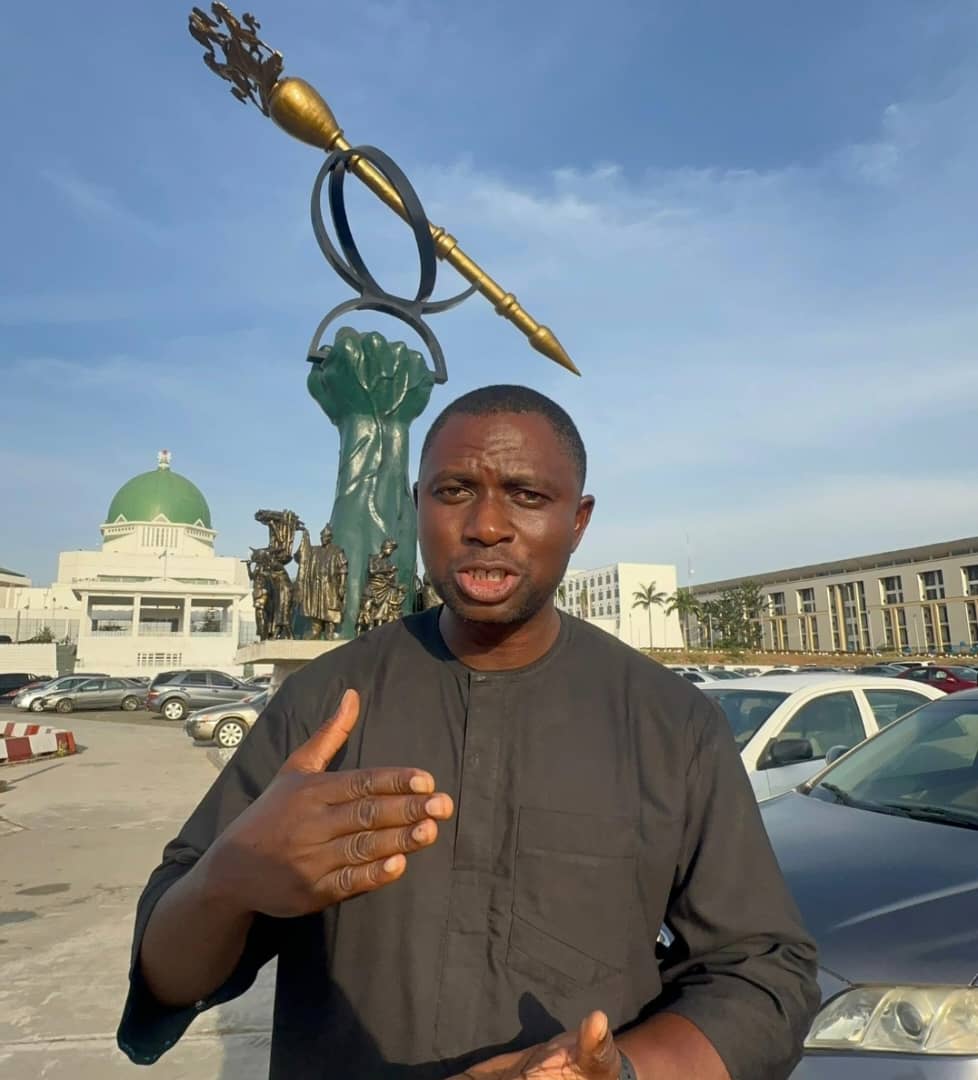
On Wednesday, November 17, 2025, Kagbala also led a delegation to the National Assembly, where they met with Senator Ned Nwoko, Chairman of the Senate Ad Hoc Committee on Crude Oil Theft and Sabotage.
The Forum urged lawmakers to support legislation aimed at restructuring the management of the derivation fund.
“If the National Assembly truly represents the people, they must end this 30-year injustice,” Kagbala said.
The NDCSF appealed to President Bola Ahmed Tinubu to intervene, noting that oil and gas matters fall under the Exclusive Legislative List, giving him both constitutional authority and moral obligation to act.
It urged the President to create derivation boards that would guarantee direct and uninterrupted benefits to oil-producing communities.
“The people are suffering, and the injustice must stop,” the statement added.
The Forum concluded by calling on the Presidency, the National Assembly and the RMAFC to urgently review and restructure the existing payment framework to ensure that the 13% derivation reaches the oil-producing communities for whom it was originally established.
“The era of paying derivation to state governments must end. The people of the Niger Delta have suffered enough,” it stated.