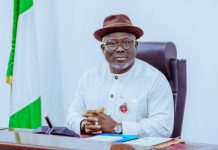
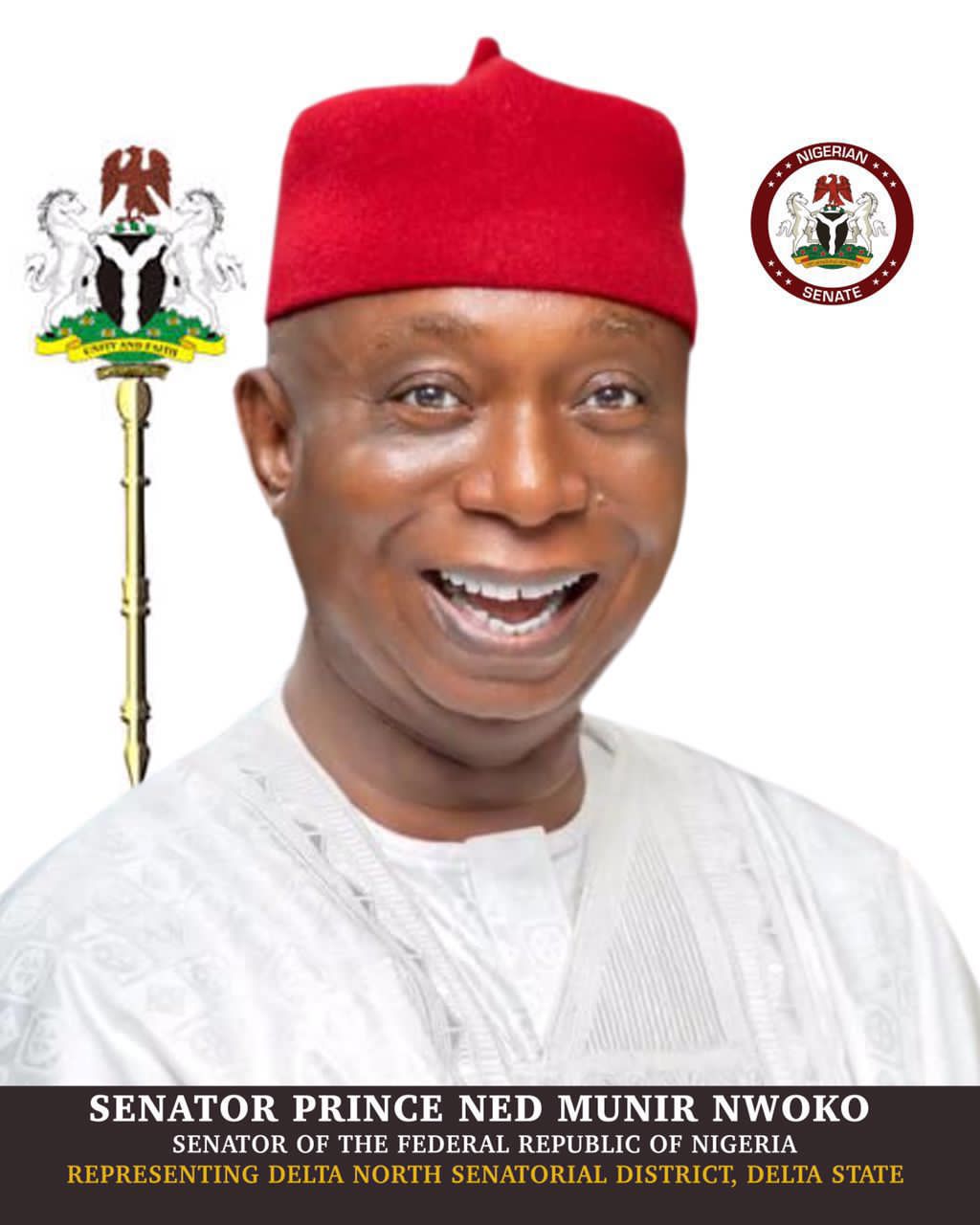
By Senator Ned Munir Nwoko
The Anioma people, spread across nine Local Government Areas of Delta North Senatorial District, are bound together by a rich cultural heritage, language, and identity. We share enduring ties with the Igbo nation. By ancestry, tradition, blood, and tongue—we are Igbo.
Yet, history has not always been fair to Anioma. Colonial boundary distortions, the trauma of civil war, and post-war political manipulations have combined to impose a double burden on us: denial of identity and weight of marginalisation. Still, our spirit has remained resilient and unbroken.
As the elected representative of Anioma in the 10th Senate of the Federal Republic of Nigeria, I affirm this truth: Anioma is Igbo; Anioma deserves justice; Anioma State must be created. This is not an appeal. It is not a plea. It is a rightful demand—anchored on truth, fairness, and the promise of genuine federalism.
Anioma Before Colonial Boundaries
Anioma’s place within the Igbo nation predates colonial distortions. Our communities in Oshimili, Aniocha, Ika, and Ndokwa share the same market days, masquerades, language, and customs with our Igbo kith and kin across the Niger.
Our names—Okonkwo, Nwafor, Nwanze, Odili, Nkemdilim—are unmistakably Igbo. Words like bia (come) and nua (welcome) reveal deep linguistic alignment. Geography too confirms this reality: Anioma towns such as Asaba, Ibusa, Ogwashi-Uku, Illah, Agbor, Kwale, and Aboh are firmly within the Igbo map.
But the British, for administrative convenience, lumped Anioma into the Western Region, separating us from our brothers in the East. That artificial line, born of colonial expediency, sowed distortions that later became fertile ground for tragedy.
Anioma in the Throes of Wars
The Ekwumeku Resistance (1883–1914)
Between 1883 and 1914, Anioma warriors waged the legendary Ekwumeku resistance against British colonial rule. For 31 years, communities like Ibusa, Ogwashi-Uku, Issele-Uku, and Ubulu-Uku stood firm, using guerrilla tactics to repel foreign domination.
It was one of the longest anti-colonial struggles in West Africa, proving Anioma’s courage and resilience. The Ekwumeku war laid part of the foundation for Nigeria’s eventual independence.
The Civil War and Asaba Massacre
Anioma’s most painful scar remains the Civil War. Our land became a battlefront, and our people suffered atrocities. On October 7, 1967, federal troops entered Asaba. In a quest for peace, the townspeople gathered in white, chanting “One Nigeria.” Instead, men and boys were separated and executed in cold blood. Hundreds were killed in what historians describe as ethnic cleansing.
Beyond Asaba, towns such as Ibusa, Ogwashi-Uku, Issele-Uku, and Ndokwa communities suffered brutal reprisals—homes razed, women assaulted, and young men slaughtered. Anioma bled not because of its geography but because of its identity: Igbo.
The Burden of Post-War Denial
After the war, Anioma leaders were forced to downplay their Igbo identity to gain acceptance in the Mid-West and later Bendel State. Saying “We are not Igbo” became a shield against political exclusion. But in reality, our homes, marriages, dialects, and festivals have always remained unmistakably Igbo.
Attempts to erase this truth are a silent form of ethnic cleansing—not of people, but of memory and identity. No decree, no propaganda, no political convenience can change our reality: Anioma is Igbo, and Anioma remains Igbo.
Equity and the Quest for Anioma State
The demand for Anioma State is both a historical correction and a political necessity. Nigeria remains structurally imbalanced: the South-East has only five states while other zones have six or seven. This disparity translates into fewer lawmakers, fewer local governments, and less federal allocation.
Anioma, as the Igbo homeland west of the Niger, is the natural answer to this imbalance. Creating Anioma State is not about division—it is about fairness, equity, and inclusion. It will heal wounds of the past and strengthen the federation.
Anioma as a Development Powerhouse
Anioma is not only strategically positioned but also economically endowed. With Asaba as its capital, Anioma stands at the crossroads of East, West, North, and South. Our fertile lands support rice, cassava, palm, and fisheries. Our oil and gas deposits, particularly in Ndokwa and Ika, power national industries, including the Okpai Power Plant.
Anioma people are globally recognized for their education, enterprise, and contributions across academia, politics, business, sports, and the arts. Our cultural festivals, rich heritage, and historic landmarks position us as a hub for tourism and cultural diplomacy.
Anioma State will unlock these potentials, attract investment, create jobs, and empower future generations.
Anioma’s Role in National Unity
Anioma has always been a bridge—Igbo in heritage but closely connected with Urhobo, Itsekiri, Ijaw, Isoko, Edo, and Yoruba neighbours. This unique position makes Anioma a natural unifier and peace-builder.
Creating Anioma State will honour our martyrs, preserve our heritage, and reconcile past injustices. It will consummate a vision first championed as far back as 1954 by Anioma leaders who dreamed of a state of their own.
My Stand
Anioma cannot be erased, silenced, or denied. We deserve recognition, dignity, and justice. The creation of Anioma State is not a privilege—it is a right long denied and justice long delayed.
As Senator representing Delta North, I declare my full support for Anioma State. This quest is not personal. It is not partisan. It is the continuation of a struggle rooted in history, sacrifice, and resilience.
The Anioma renaissance is upon us. The time is now. Let us rise together and claim our rightful place.
Distinguished Senator Prince Ned Munir Nwoko