By Chidi Chukwutem
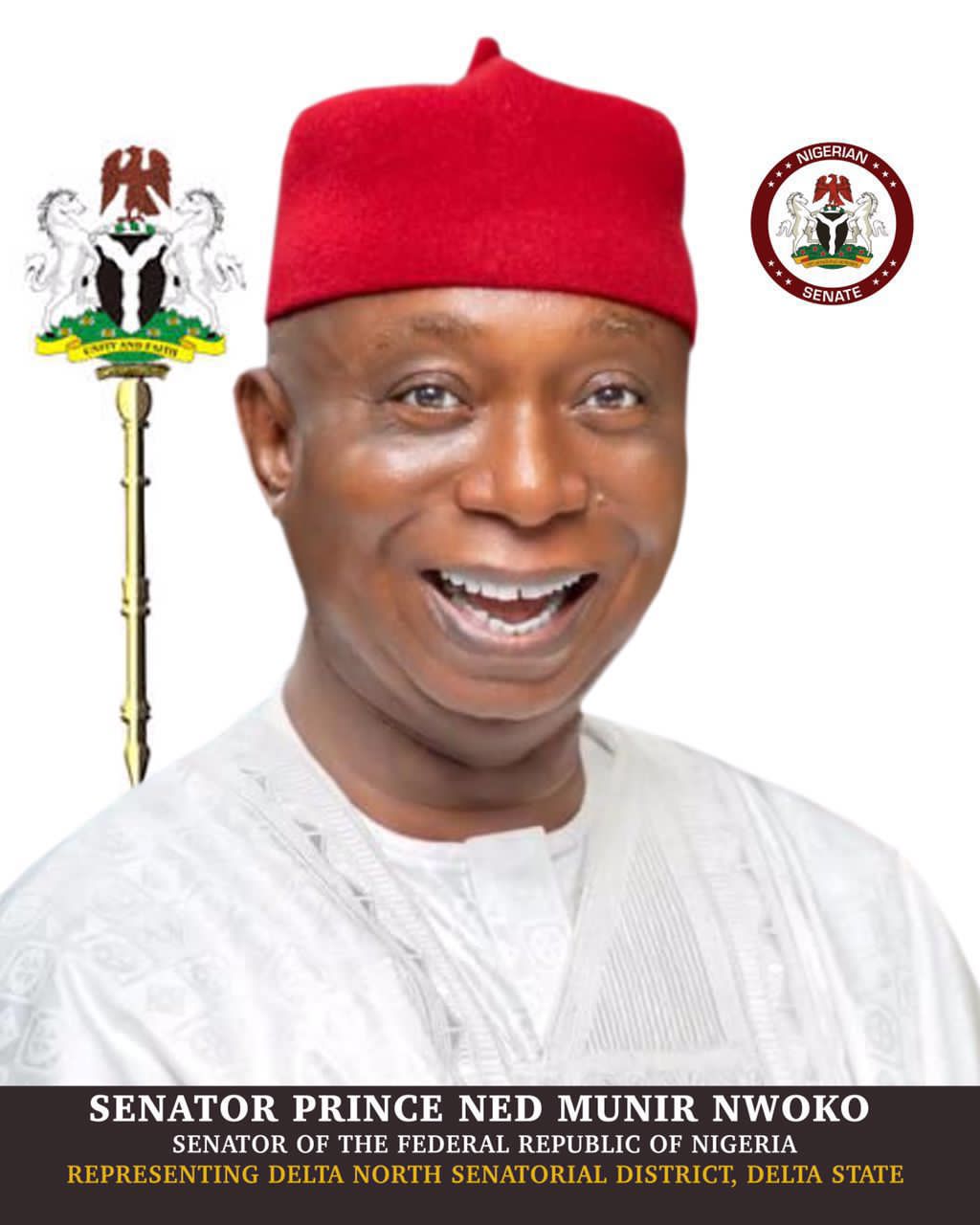
Senator Ned Nwoko has consistently framed his humanitarian work not merely as an act of charity but as a strategic investment in society, one with demonstrable economic and social returns.
Over the years, his name has become synonymous with large-scale, high-impact interventions spanning public health, education, employment creation, and community development.
A lawyer, businessman, and politician, Nwoko channels most of his humanitarian initiatives through the Prince Ned Nwoko Foundation, now one of the most prominent philanthropic platforms in the South-South region.
His projects are notable not only for their scale but also for his personal involvement, reflecting a hands-on, solutions-driven approach.
Among his most ambitious ventures is the malaria eradication project, which gained national and international attention after his symbolic expedition to Antarctica to spotlight Nigeria’s malaria burden.
The campaign involves extensive investment in vaccine research, fumigation equipment, environmental sanitation, and proposed statewide clean-up initiatives.
Public health analysts estimate that a nationwide anti-malaria programme of this scale could require billions of naira annually, depending on collaboration frameworks and implementation models.
Education and youth empowerment form another pillar of Nwoko’s philanthropic philosophy. His scholarship interventions, along with the creation of the Sports University, Idumuje-Ugboko, the first of its kind in Nigeria, are designed to expand opportunities for young people within and beyond Delta North.
Establishing and running such a specialised institution demands significant capital: world-class infrastructure, skilled faculty, sports science facilities, and international academic partnerships.
Many observers view the university as a long-term catalyst for human capital development and a potential game changer for sports education in Africa.
Beyond institutional projects, Nwoko has directly influenced economic mobility by assisting countless constituents in securing employment, particularly in federal agencies.
These placements, ranging from administrative roles to technical and professional positions, have helped stabilise households, reduce unemployment, and expand economic opportunity across Delta North.
For many residents, his most defining trait remains his responsiveness. Nwoko is widely known for taking calls from students, widows, traders, and individuals facing pressing medical or financial emergencies.
His readiness to provide medical support, tuition fees, business capital, or other urgent assistance reinforces his reputation as an accessible leader committed to the wellbeing of ordinary people.
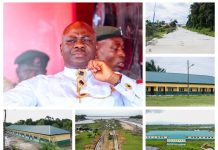
Infrastructure projects also feature prominently in his philanthropic portfolio. Through his foundation, he has funded boreholes, solar installations, road rehabilitation, community halls, and business grants across several communities.
These interventions, worth hundreds of millions of naira yearly, bridge gaps in service delivery while creating jobs for local contractors, engineers, artisans, vendors, and project managers, thereby stimulating local economies.
The broader economic ripple effects of his philanthropy are equally significant.
Tourism ventures such as Mount Ned Nwoko Resort boost revenue for hospitality and retail sectors, while scholarships and sports programmes nurture a skilled, competitive youth population capable of contributing to long-term socio-economic transformation.
Supporters describe his initiatives as genuine and largely self-funded, citing his openness, accessibility, and willingness to listen as distinguishing traits that separate him from conventional benefactors.
Regardless of differing opinions, the impact of his interventions remains undeniable.
Senator Ned Nwoko’s philanthropic model reshapes local economies, influences public health and education outcomes, and demonstrates how private wealth can be strategically deployed to drive human and community development.
As Nigeria increasingly looks to private actors to complement government efforts in addressing development gaps, figures like Nwoko continue to occupy a crucial space at the intersection of philanthropy, governance, and economic transformation.