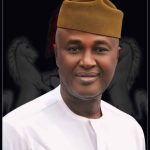
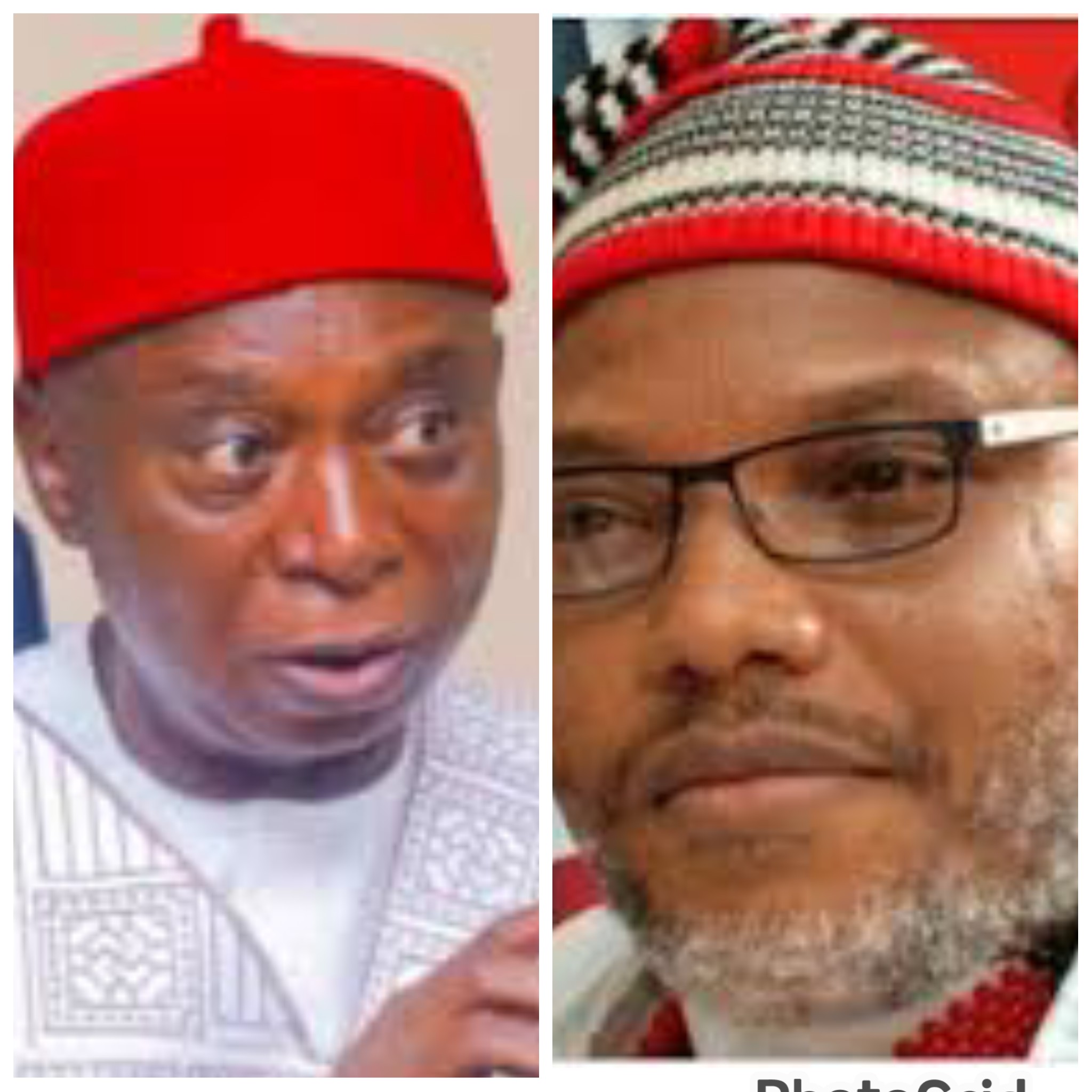
The Senator representing Delta North Senatorial District, Prince Ned Nwoko, has expressed deep concern over the prolonged detention of the Indigenous People of Biafra (IPOB) leader, Mazi Nnamdi Kanu, describing his continued incarceration as unjust and counterproductive to peace efforts in the South-East region.
Speaking during an interview on Sunday Politics, a flagship current affairs programme on Channels Television, Senator Nwoko argued that the federal government’s handling of Kanu’s case has worsened insecurity and deepened mistrust between citizens and the state.
“Nnamdi Kanu has been in custody for quite some time now, and I believe he is being held unjustly,” Nwoko said.
“His incarceration has become a major factor behind the persistent crisis in the South-East.”
A Prolonged Legal and Political Stalemate
Mazi Nnamdi Kanu, leader of the separatist IPOB movement, has remained in detention since June 2021, following his controversial arrest and repatriation from Kenya under circumstances that drew both local and international attention.
He has since faced charges bordering on treasonable felony, terrorism, and incitement before the Federal High Court in Abuja.
Over the years, the legal proceedings have suffered multiple adjournments, amid arguments over jurisdiction, bail applications, and the interpretation of the Court of Appeal’s 2022 ruling that discharged and acquitted him of certain charges.
Despite that judgment, Kanu has not been released, as the federal government insists he still has questions to answer on matters of national security.
The separatist leader recently announced the dissolution of his legal team, vowing to represent himself in court, a move that observers see as both a protest and a sign of frustration over the slow pace of justice.
Nwoko’s Call for Dialogue and Justice
Senator Nwoko, who has long advocated for dialogue as a means of resolving national conflicts, said Kanu’s prolonged detention has done little to promote peace or stability in the South-East.
Instead, he said, it has created a cycle of resentment, fear, and violence that continues to destabilize the region.
According to him, genuine reconciliation and sustainable peace can only be achieved when the federal government embraces a political solution, rather than relying solely on legal action.
“The government must take bold steps to heal the wounds in the South-East,” Nwoko said.
“Releasing Nnamdi Kanu or at least granting him a fair and transparent trial will send a strong message that Nigeria values justice, equity, and the rule of law.”
He further warned that the prolonged incarceration has become a rallying point for discontent among young people in the region, some of whom feel alienated from the larger Nigerian state.
A Broader National Concern
Security experts and political analysts have long linked Kanu’s detention to recurring violence, sit-at-home orders, and economic paralysis in parts of the South-East.
Many traditional and religious leaders, including members of the National Assembly and regional governors, have repeatedly appealed to President Bola Tinubu’s administration to intervene through a political resolution, arguing that continued detention only fuels extremism.
Senator Nwoko’s position aligns with this growing chorus of voices calling for compassion, fairness, and inclusivity in addressing the Biafra question.
As the debate over Kanu’s fate continues, the Delta lawmaker urged all parties to prioritise national unity, warning that justice delayed could easily become justice denied.
“We must rise above politics and prejudice,” he said.
“The peace and stability of Nigeria depend on our ability to treat all regions with fairness and respect. No one should be kept in custody indefinitely without closure.
Ned Nwoko’s remarks reflect a broader sentiment that the federal government must rethink its approach to issues of self-determination and regional agitation.
Beyond Nnamdi Kanu’s case, his call resonates as a plea for justice-driven governance, one that recognises that true unity cannot be enforced by force, but built through fairness, dialogue, and trust.
As the courts resume hearing on Kanu’s case, the question remains: will Nigeria choose the path of dialogue and reconciliation, or continue down a road that deepens division?
Credit: Daily Post except headline with additional report