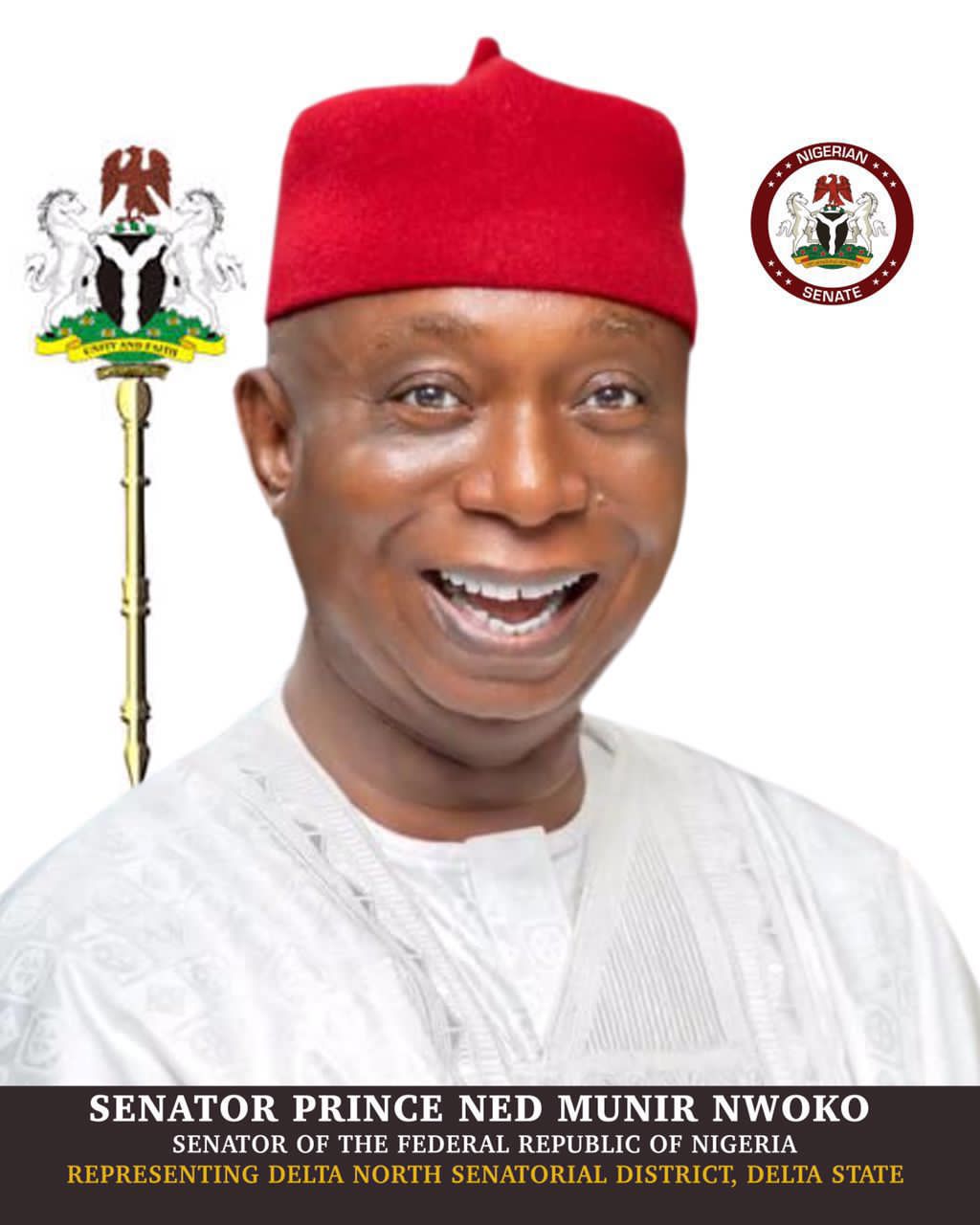
By Austin Oyibode
In Nigeria’s dynamic political landscape, where controversies flare and fade with the speed of social media, calmness has become a rare quality.
Yet amid the debate surrounding his recent initiatives, Senator Ned Nwoko remains remarkably unshaken. Representing Delta North Senatorial District, Nwoko has drawn both praise and criticism for his advocacy for the creation of Anioma State and his outspoken defense of Anioma identity.
Rather than react impulsively to criticism, he has maintained a posture of quiet confidence, reflecting both conviction and political acumen.
From the outset, Nwoko’s career has been marked by boldness. A visionary and outspoken lawmaker, he has consistently challenged the status quo. His latest initiative, the push for Anioma State, has ignited discussion across Delta and the South-East region.
While many in the Anioma community support the proposal, some critics question his motives, alleging personal ambition or political grandstanding.
For Nwoko, such distractions are secondary. He emphasizes that his advocacy is rooted in historical justice and equitable representation.
The South-East geopolitical zone remains the only zone in Nigeria with five states, while others have six or more.
The creation of Anioma State, he asserts, would correct this imbalance, empowering Delta North residents with stronger political and resource representation.
“This is not about politics,” he recently stated. “It is about fairness, identity, and the right of a people to be properly represented in the Nigerian federation.”
Despite skepticism and subtle opposition within Delta State, Nwoko has avoided public confrontations or political mudslinging. Instead, he has focused on building consensus in the National Assembly and mobilizing grassroots support through education and engagement.
Reports from Abuja indicate positive momentum: several senators have endorsed his proposal, and the Senate Committee on Constitutional Amendment is reviewing the bill with increasing interest. Even President Bola Tinubu has shown openness, expressing willingness to sign the bill if passed.
Observers note that Nwoko’s composure is consistent with his approach in business and philanthropy. Whether leading anti-malaria campaigns across Africa or investing in agriculture and education in Delta State, he has demonstrated a preference for long-term impact over short-term acclaim. Politics, for him, follows the same pattern: strategic, visionary, and patient.
Critics continue to speculate on his motives, yet Nwoko remains unfazed. “If my ambition is for Anioma to develop, then I stand guilty,” he quipped.
Close associates confirm that he views criticism as a natural aspect of public service.
“In politics, you can’t please everyone,” he reportedly told supporters. “The important thing is to stay true to your vision and do what is right.”
Beyond legislative advocacy, Nwoko champions the cultural and social reawakening of the Anioma people.
He encourages a bold embrace of Igbo identity, emphasizing unity, self-determination, and pride in heritage.
While these positions provoke debate, he remains steadfast in speaking truth, even when inconvenient.
As the campaign for Anioma State progresses, one fact stands out: Nwoko’s calmness is not indifference but disciplined focus.
While others shout from the sidelines, he works quietly in the corridors of power, forging alliances, shaping policy, and keeping sight of the bigger picture.
In a political climate often dominated by emotion and rumor, his steady demeanor reflects both maturity and strategic patience, qualities that distinguish committed reformers from opportunists.
The noise will fade; Nwoko’s vision and resolve will endure. For him, the mission continues, calm, focused, and unshaken.