By Kenneth Orusi
While online detractors recycle tired narratives in a bid to discredit a historic movement, the reality on the ground tells a different story, one of growing unity, strategic engagement, and unstoppable momentum.
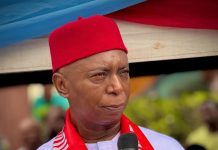
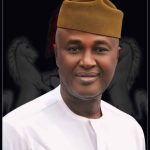
The Anioma State agenda, championed in the National Assembly by Senator Ned Munir Nwoko, continues to draw unprecedented grassroots and civic support, demonstrating that the vision is far from a fleeting political idea.
Mount Ned, the Senator’s country home and now an unofficial hub for the Anioma cause, has transformed into a center of convergence for advocacy groups and community leaders determined to see the long-debated Anioma State become a constitutional reality.
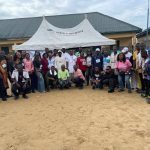
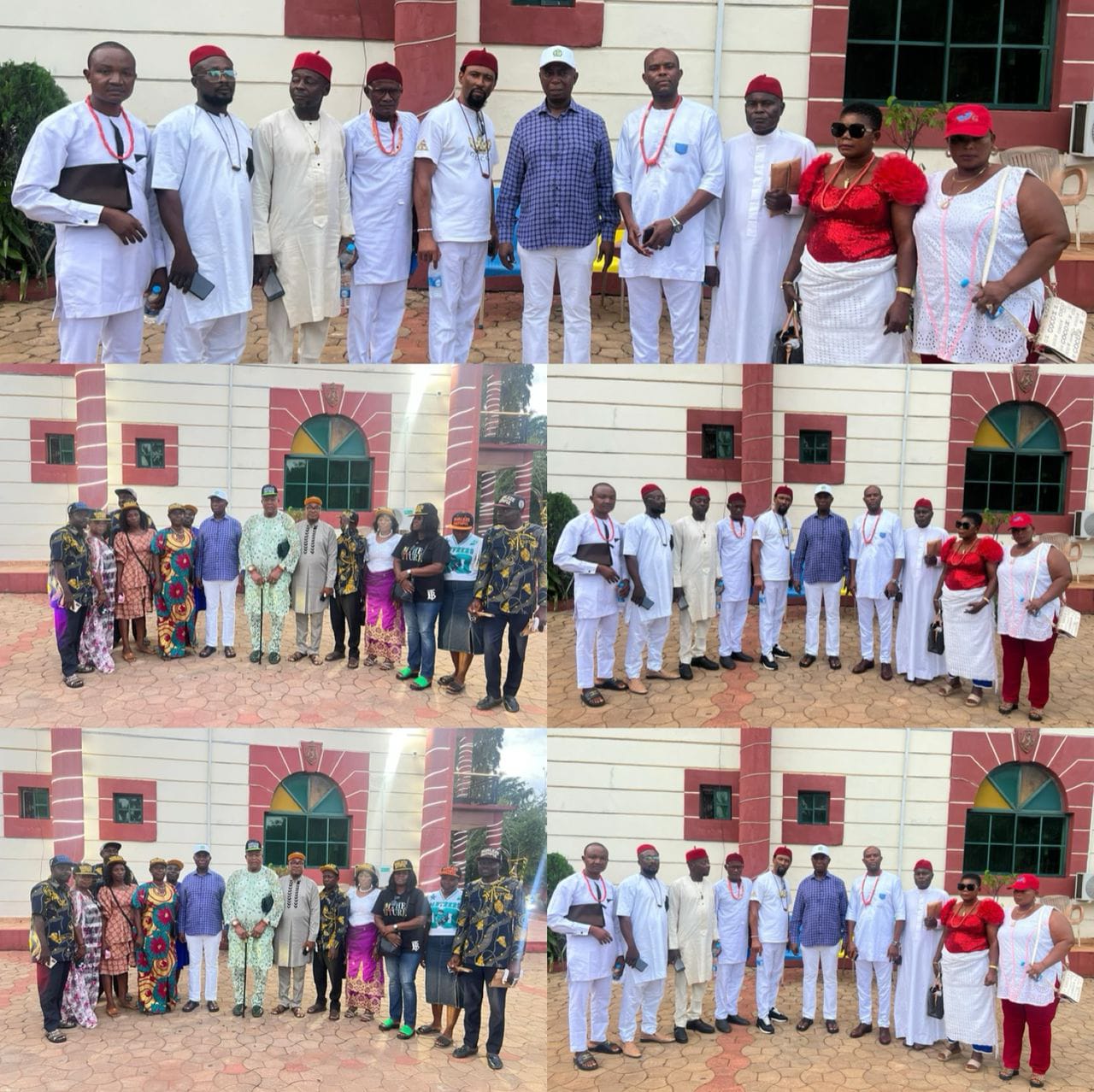
In recent days, the Movement for the Emancipation of Anioma Nation (MEAN), led by its National President Apostle Ayo Ashiedu, paid a solidarity visit to Mount Ned.
Their message was clear: Anioma’s agitation for statehood is rooted not in political opportunism, but in historical justice, regional equity, and the yearning of a people to define their future.
Joining them was the Sualueze Group, under the leadership of Hon. Sualueze, who echoed the same unwavering belief in the Anioma dream.
“We are not distracted by noise; we are focused on the goal,” he declared, emphasizing that the movement is being driven not by rhetoric, but by strategic advocacy and community mobilization.
These visits are only the latest in a growing wave of support from various quarters, traditional rulers, youth groups, professionals, and political blocs, affirming that the campaign for Anioma State is gaining legitimate traction, even as critics attempt to dismiss it as another political gimmick.
Senator Nwoko’s leadership in this regard has been as bold as it is consistent. Beyond legislative advocacy, he has invested significant political capital in ensuring that Anioma’s voice is heard both within and beyond the chambers of the National Assembly.
His sponsorship of the Anioma State Creation Bill (SB. 481), and the upcoming public hearing scheduled for July 4–5, 2025, in Uyo, Akwa Ibom State, mark key milestones in a process that is increasingly hard to ignore.
The critics, largely confined to social media commentary and unverified speculation, often overlook the sheer depth of engagement taking place across Delta North and beyond.
What’s unfolding is a carefully coordinated movement built on dialogue, diplomacy, and decades of regional advocacy—not a spur-of-the-moment political fantasy.
The narrative that the Anioma project is a distraction from “real issues” is not only cynical but deeply misinformed.
State creation has long been a constitutional tool for correcting historical imbalances and bringing governance closer to marginalized populations.
In the case of Anioma, the agitation reflects legitimate socio-political aspirations that have matured over time, not just under Senator Nwoko, but through years of sustained community dialogue.
Importantly, the movement’s current momentum is not solely about one man or one political office, it is a multi-generational consensus that cuts across party lines and social strata.
While cynics may choose to remain glued to keyboards, delegations continue to arrive at Mount Ned with one message: Anioma is ready.
The real work continues—in the corridors of legislation, in town halls, and in public consultations. The Anioma dream is not a media creation; it is a lived experience backed by mobilization, representation, and vision.
As the date for the public hearing approaches, the Anioma people are sending a message loud and clear: they will not be derailed by distractions.
The focus is firm, the goal is legitimate, and the dream of Anioma State is closer than ever before.
Kenneth Orusi is the Publisher and Editor-in-chief of The Story and Chairman, ICC, Delta NUJ.