By Godfrey Osein
The renewed advocacy for the creation of Anioma State has sparked national discourse once again, and rightly so. This is a longstanding and legitimate quest rooted in equity, identity, and fair representation in Nigeria’s federal structure.
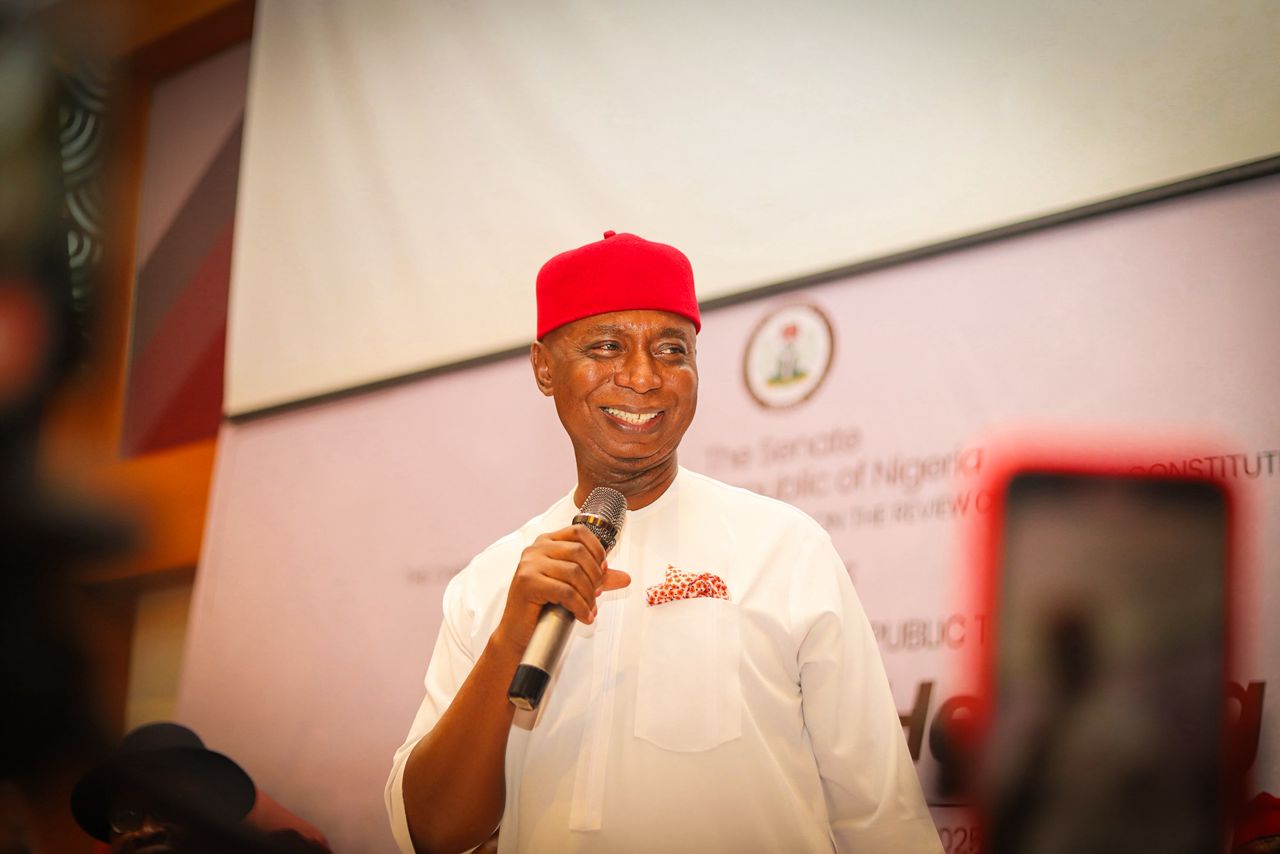
While Senator Ned Nwoko has become a prominent voice in the movement, it is crucial to correct a growing misconception: Anioma State is not Ned Nwoko’s personal agenda. It is a collective cause championed by and for the Anioma people.
Senator Nwoko has repeatedly stated that he did not initiate the struggle for Anioma State, he merely picked up where the region’s founding fathers left off. What he has pledged, however, is to bring the struggle to a logical conclusion. His involvement is neither for personal gain nor political ambition.
In fact, he has consistently declared, in public and private, that he has no interest in governing the proposed state. His objective remains clear: to use his influence, network, and voice to advocate for the rights and future of the Anioma people.
Framing the Anioma movement as a personal project of Senator Nwoko is not only misleading but deeply counterproductive. It diminishes a region-wide pursuit to a single-man mission, thereby undermining the legitimacy and urgency of the call for state creation.
The real issue at stake is structural imbalance, the need to correct historical and geographical inequities that have left Anioma people underrepresented in governance and development.
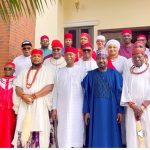
Furthermore, the claim that critical stakeholders were not consulted in the ongoing campaign is unfounded. Traditional rulers, political leaders, professionals, youth groups, and community organizations across Anioma have been engaged.
The advocacy has been inclusive and transparent, rooted in dialogue and consensus-building.
Unfortunately, opposition to the movement has not stemmed from disagreement over its merits, but from ego-driven resistance.
Some detractors have chosen silence or opposition simply because they are not leading the charge or because their preferred allies are not at the forefront. Such postures only serve to sabotage the greater good for the sake of personal pride or political rivalry.
This is a dangerous mindset. When leaders prioritize their own prominence over collective progress, the people suffer.
Rural communities in Anioma deserve a government that is closer, more responsive, and better attuned to their developmental needs. Denying them this opportunity due to political envy is a betrayal of public trust.
True leadership demands selflessness. Those who genuinely believe in Anioma’s future must rise above factional interests and support the statehood movement with a united front.
Anioma State is no longer a whisper among local elites, it is a national conversation gaining traction and attention across Nigeria. The time for unity is now.
The journey ahead requires courage, vision, and collective will. This is not about Ned Nwoko. This is about Anioma. And if Anioma must rise, its leaders, past, present, and future, must put the community above self.
Godfrey Osein writes from Agbor