By Chidi Chukwutem
As political calculations for the 2027 general elections begin to take shape, the conversation in Delta North is increasingly centering on one defining issue, trust.
Beyond party alignments and campaign rhetoric, many constituents are asking a more fundamental question: who can represent the district with credibility, transparency, and a clean public record?
In an era of heightened public scrutiny over governance and accountability, integrity is fast becoming the benchmark by which aspirants are being measured.
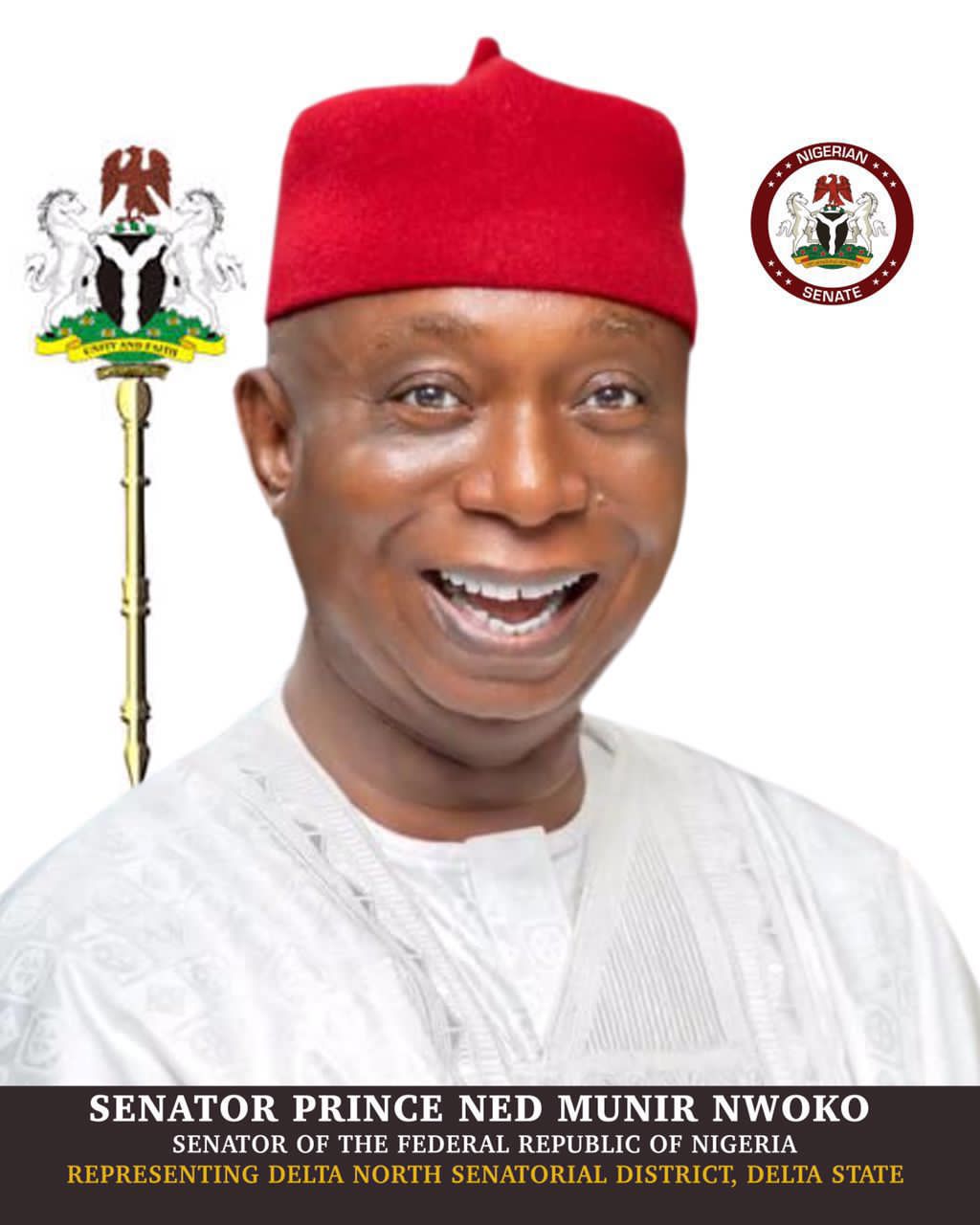
Within this evolving political climate, supporters argue that Senator Ned Nwoko fits the profile of the corruption-free leadership Delta North should consider maintaining in the Senate.
They maintain that public confidence is earned through verifiable conduct and accountability, not merely public declarations.
For a federal lawmaker tasked with influencing national budgets, oversight functions, and policy direction, the absence of substantiated corruption findings is viewed by many voters as a critical qualification.
Integrity as a Strategic Asset
For any senatorial district, integrity is more than a moral virtue; it is a strategic advantage.
Lawmakers with clean public reputations often enjoy stronger negotiating credibility among colleagues, ministries, and development partners.
When a senator is not encumbered by corruption investigations or procurement controversies, more political capital can be devoted to advocacy, constituency development, and legislative bargaining.
Supporters note that throughout Senator Nwoko’s years in public and professional life, there have been no corruption convictions or formally established findings against him.
In a political climate where many figures face recurring allegations, a clean legal and ethical profile carries significant political weight.
This perception of probity, they argue, enhances a senator’s authority when advocating for accountability measures, anti-corruption policies, and financial oversight reforms at the national level.
The Governance Cost of Corruption
Corruption within legislative systems has direct consequences for constituencies.
It can distort project selection, inflate contract values, delay implementation, and ultimately diminish the real value of public spending.
When representation is compromised by private interests, communities bear the cost through lost resources and missed development opportunities.
Delta North’s pressing needs, ranging from road infrastructure and erosion control to youth employment, educational support, and healthcare improvements, require disciplined stewardship of public funds.
Increasingly, voters are linking tangible development outcomes to the personal ethics of those entrusted with legislative influence.
From this perspective, the case for a corruption-free senator is practical as well as ethical: cleaner leadership often translates into more efficient project delivery and fewer stalled interventions.
Distance from Contract Patronage Politics
Another persistent voter concern is the overlap between political office and contract patronage networks.
When legislators are perceived to be deeply embedded in contract allocation systems, public confidence tends to erode.
Conversely, a senator viewed as independent of contract-driven politics is often considered better positioned to provide effective oversight of executive spending.
Observers sympathetic to Nwoko maintain that his public profile aligns more closely with that of a legislator and policy advocate than that of a contract broker.
They argue that his political identity has been shaped primarily by legislative engagement and social interventions rather than procurement interests, a distinction that resonates in an era of heightened sensitivity to conflict-of-interest risks.
Credibility in Reform Advocacy
A lawmaker’s personal record significantly influences how seriously their reform agenda is received.
Calls for stricter financial controls, improved enforcement cooperation, or recovery of public funds carry greater persuasive power when the messenger is widely regarded as ethically sound.
For Delta North, proponents believe that maintaining a senator perceived to be corruption-free strengthens the district’s moral voice in national conversations on transparency and governance reform.
It also sets an important benchmark for emerging political leaders within the region.
The 2027 Decision Point
The 2027 senatorial contest will likely attract multiple contenders with varying strengths, party machinery, grassroots appeal, or technocratic credentials.
Yet integrity is expected to remain a defining metric for many voters.
Supporters describe Senator Nwoko as a straightforward political figure whose public record remains largely untainted.
In their view, when a district is already represented by a lawmaker with visible legislative engagement and a reputation for probity, replacing such a figure with individuals of uncertain ethical standing could introduce avoidable governance risks.
For constituents who prioritize transparency, accountability, and clean public service, the argument being advanced is clear: Delta North stands to benefit from leadership that aligns with those values as the 2027 elections approach.