The recent discoveries in Delta State paint a troubling picture of a society under siege.
Within days of the Delta State Police Command uncovering decomposing human bodies in a suspected shrine, the Department of State Services (DSS) announced the seizure of a large cache of illegal weapons from criminal networks operating across the state.
These disturbing developments reveal not isolated crimes but the depth of insecurity threatening peace, investment, and governance in Delta.
They also reaffirm why the Delta State Security Trust Fund (DSSTF) must now evolve from policy to performance, as the state’s most strategic framework for restoring safety, confidence, and public order.
Unfolding Alarms: Ritual Killings and Weapons Proliferation
The shocking discovery of human remains in a shrine exposes the dark underbelly of ritual killings, cult activities, and other heinous acts that have silently thrived within communities.
Meanwhile, the DSS’s interception of sophisticated firearms, including assault rifles, ammunition, and explosives allegedly stockpiled by criminal gangs, underscores how proliferation of weapons has turned local crime into a militarised threat.
From rural abductions and herders-farmers clashes to armed robberies and cult wars in urban centres, insecurity in Delta has become multi-layered and deeply entrenched.
This alarming trend calls for urgent collaboration, intelligence-driven policing, and sustained investment in modern security infrastructure.
Security Trust Fund: From Concept to Concrete Impact
Governor Sheriff Oborevwori’s establishment of the Delta State Security Trust Fund demonstrates foresight and commitment to a safer Delta.
The Fund’s purpose, to mobilise financial and material support from the government, the private sector, and citizens for security agencies, is commendable. Yet, to truly achieve its mission, the DSSTF must operate with integrity, transparency, and measurable outcomes.
This means regular public disclosures, professional audits, and result-based deployment of funds ensuring that every naira translates into improved security capacity.
Patrol vehicles, communication gadgets, surveillance drones, and community watch programmes must reflect visible, sustained presence across local government areas.
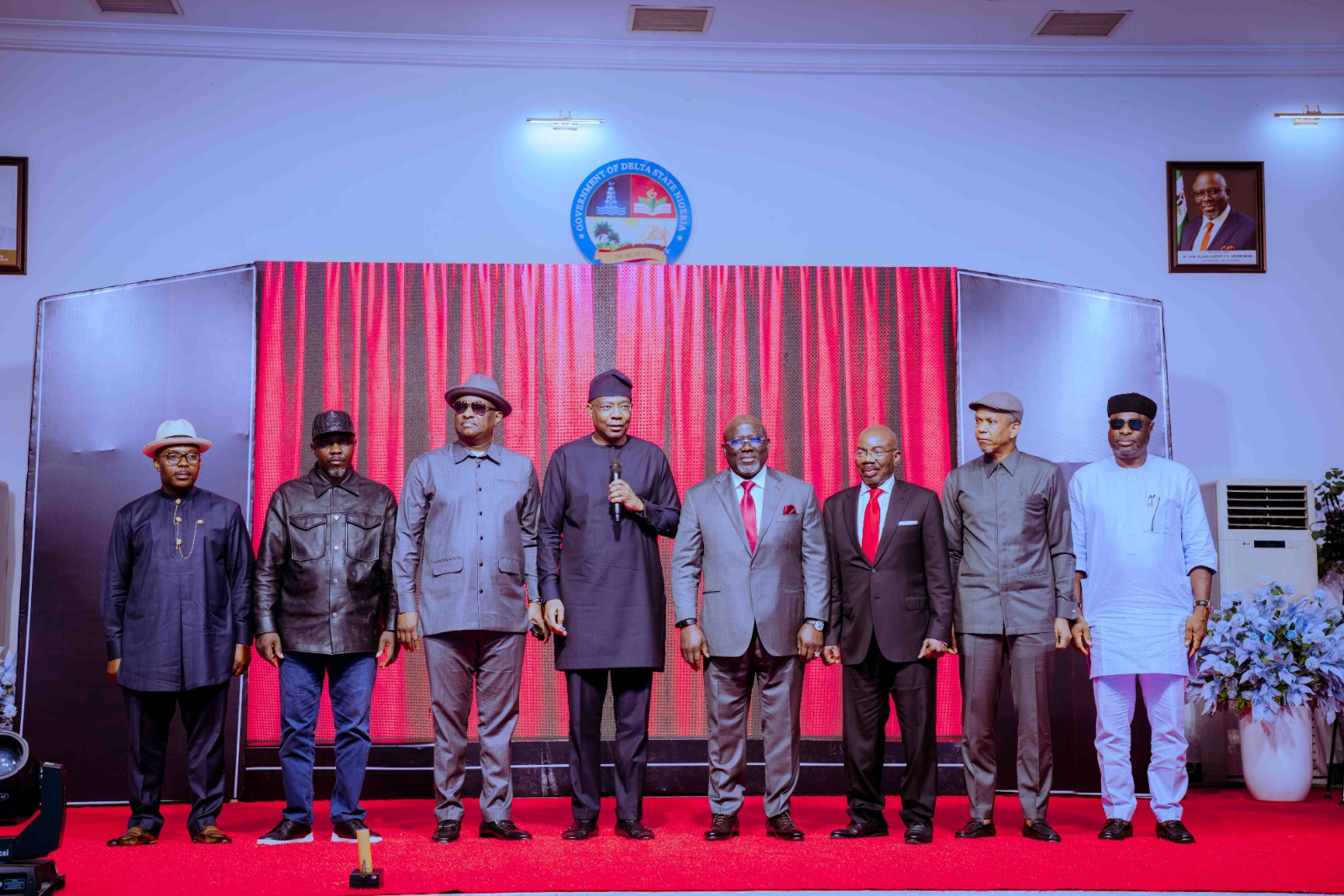
The Trust Fund’s governing board should comprise credible representatives from the private sector, security agencies, traditional rulers, religious leaders, media practitioners and civil society, creating a collaborative environment where accountability meets efficiency.
Beyond Equipment: Building Intelligence and Trust
Security investment must go beyond weapons and vehicles. What Delta needs most is intelligence synergy and community cooperation.
The discovery of human remains and illegal arms depots points to a failure of early detection, a gap that can only be closed when citizens and agencies share information seamlessly.
To this end, the DSSTF must prioritise funding for intelligence gathering, digital tracking systems, and community surveillance.
Equally, the police and DSS must rebuild public trust through professionalism, respect for human rights, and transparency in their operations.
Traditional rulers, youth leaders, and faith-based organisations should also be integrated into community security structures.
Every citizen must become a stakeholder in securing their environment, because security is not a spectator’s game.
Tackling the Roots of Violence
No amount of funding can fully succeed if the root causes of crime remain unaddressed. Poverty, unemployment, drug abuse, and political thuggery continue to feed criminal networks.
Government must therefore complement its security initiatives with stronger economic empowerment programmes, particularly targeting the youth who are often exploited as tools of violence.
Education, skill development, and social reorientation campaigns should form part of the DSSTF’s long-term preventive strategy.
The Way Forward
The seizure of illegal weapons and the gruesome discovery of ritual killings must serve as a wake-up call to both government and citizens. The DSSTF must urgently channel resources to:
Strengthen intelligence operations between the police, DSS, and local vigilante groups.
Support deployment of modern surveillance technologies across border towns and flashpoints.
Fund rehabilitation and reorientation programmes for at-risk youths.
Ensure timely logistics and welfare support for security personnel on the field.
Delta cannot afford complacency. The cost of inaction is measured in lives lost and communities destabilised.
Time to Translate Intentions into Impact
The escalating violence and weapons proliferation in Delta State demand immediate, coordinated, and accountable action.
Governor Oborevwori’s administration has laid the foundation through the Security Trust Fund, but success will depend on sustained political will, stakeholder collaboration, and transparent execution.
The recent operations by the police and DSS show that security agencies can deliver results when adequately supported. Now, the Delta State Security Trust Fund must ensure such successes become the rule, not the exception.
Delta’s future stability hinges on this: turning fear into safety, rhetoric into results, and the Security Trust Fund into a living symbol of the people’s collective resolve to defend their land.